The Geminid meteor shower peaks on the night of Sunday, Dec. 13, into Monday, Dec. 14. NASA lists the shower as active from Dec. 4 through Dec. 17, 2026, and says meteors can start showing up around 9 or 10 p.m. The American Meteor Society's calendar puts the moon at 17 percent illumination, a waxing crescent, on peak night. It rates conditions this year as generally favorable, with little interference from moonlight.
The moon is cooperating this year. The clock is less helpful. The public telescope nights in the Tucson area fall two nights before the peak and end at 8 p.m., and the SkyCenter's mountaintop program wraps around the same time in mid-December. The shower starts building a couple of hours later. From the Ventana side of the Catalinas, December's best sky-watching splits into telescope evenings the weekend before and a meteor evening on the Sunday itself.
Mid-December nights on the Ventana side
Darkness comes early in mid-December, and the meteors come later. Timeanddate lists Tucson's sunset at 5:19 p.m. on Dec. 13 and 5:23 p.m. on the winter solstice, Monday, Dec. 21. On peak night there are about four hours between sunset and the time NASA says the shower gets going. That gap shapes every plan below. NASA recommends the night and the hours before dawn for viewing, so the best part of the show comes after most dinner reservations are over.
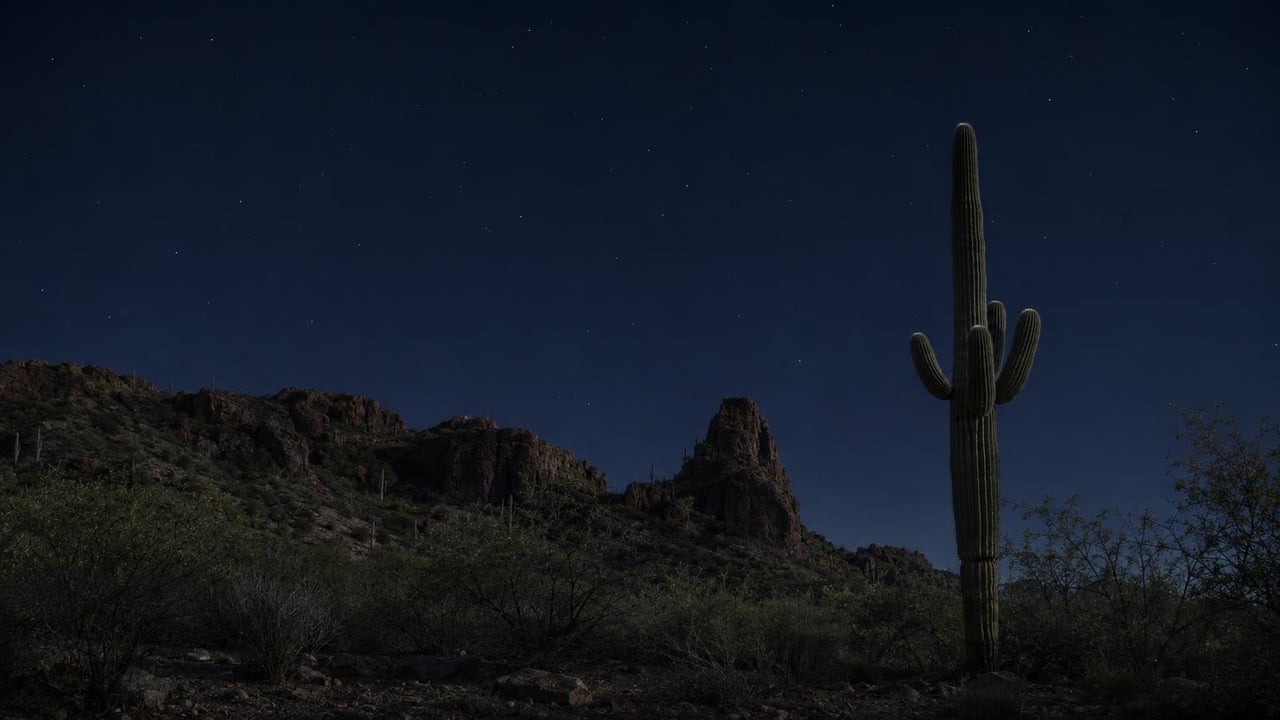
The thin moon matters because Tucson already starts with dark skies. Visit Tucson's Astro Trail guide describes the city as having exceptionally dark skies and minimal light pollution. With only a sliver of moon on Dec. 13, the moon takes very little away from that.
The resort next door is on the stargazing map
Loews Ventana Canyon shows up in a short list of local observing spots. The Tucson Amateur Astronomy Association's Tucson stargazing guide names the resort alongside Geology Vista on the Catalina Highway and the Coronado National Forest along Redington Road.
The resort has its own program. Its stargazing page lists sessions on Wednesdays, Fridays and Saturdays at 8 p.m., led by experts from the University of Arizona's Mt. Lemmon SkyCenter with a high-powered telescope. The program is free and weather permitting, and the resort describes it as an event for resort guests. If you're hosting family at Loews in December, the Friday and Saturday sessions on Dec. 11 and 12 come just before the peak. Peak night is a Sunday, which isn't on the resort's schedule.
The resort's half-mile Window Walk nature trail, behind the main pool, is open daily from dawn to dusk. It's a daytime walk, and it closes before any of the evenings in this post begin.
The weekend before the peak, through a telescope
For neighbors who aren't staying at the resort, the public telescope nights fall on the Friday and Saturday before the peak. Both start shortly after dark and both end at 8 p.m.
On Friday, Dec. 11, the Tucson Amateur Astronomy Association holds a public star party at the Ringtail Group Area in Catalina State Park from 6 to 8 p.m. The club expects about 10 telescopes, and the event depends on the weather. Arizona State Parks lists the same evening as free with the park entrance fee, says the park's dark skies are ideal for astronomy, and confirms the 6 to 8 p.m. window.
On Saturday, Dec. 12, the club sets up at Agua Caliente Park, also from 6 to 8 p.m., in the bus lanes of the north-end parking lot. Admission is free, but you have to register, and the event listing warns that the park gate may close before the event ends. Plan where you park and when you'll leave before the first telescope is pointed.
Both nights fall inside the Geminids' active window, which NASA says opens on Dec. 4. A meteor might cross the sky during either session, but these two evenings are for telescopes. The 8 p.m. finish leaves time to get home well before the hour NASA gives for the shower to pick up.
Up the mountain, the evening ends early
The SkyCenter's ticketed SkyNights program is the most involved option. The program page describes a five-hour evening that starts two hours before sunset and includes dinner and observing through 32-inch and 24-inch telescopes. Prices listed as of November 2026 are $85 for adults and $60 for ages 7 through 17, subject to change, and holiday rates may apply. The SkyCenter is at 9800 E. Ski Run Road. Guests must be at least 7, and the center asks visitors to bring warm clothing. It also can't accommodate late arrivals or early departures.
With a sunset around 5:19 p.m., a five-hour program that starts two hours before sunset would begin a little after 3 p.m. and end around 8:20 p.m. That's before the shower picks up. Before you drive up in winter, remember that the Coronado National Forest says snowstorms can temporarily close the Catalina Highway and that snow tires, chains or four-wheel drive may be required. The Forest Service directs drivers to Pima County's 24-hour road hotline at 520-351-3351.
Peak night, close to home
The Catalina Highway vistas are daytime stops. The Forest Service lists Babad Do'ag Vista, Molino Canyon Vista and Windy Point as day-use sites. Rose Canyon Lake's gate is closed for winter, and the entrance booth's posted hours are 9 a.m. to 5 p.m. An hour at Babad Do'ag around the 5:19 p.m. sunset is a lovely way to watch the sky darken over the city before you head home for the meteors.
Sabino Canyon's visitor center, bookstore and shuttle run daily from 8 a.m. to 4:30 p.m., according to the Forest Service. For a daytime walk in December, our post on the Sabino Dam stairs has more on the lower canyon. The Ventana Trail starts at the end of the resort's employee parking lot, according to the Forest Service. Our earlier piece on the Ventana Canyon Trail covers that route.
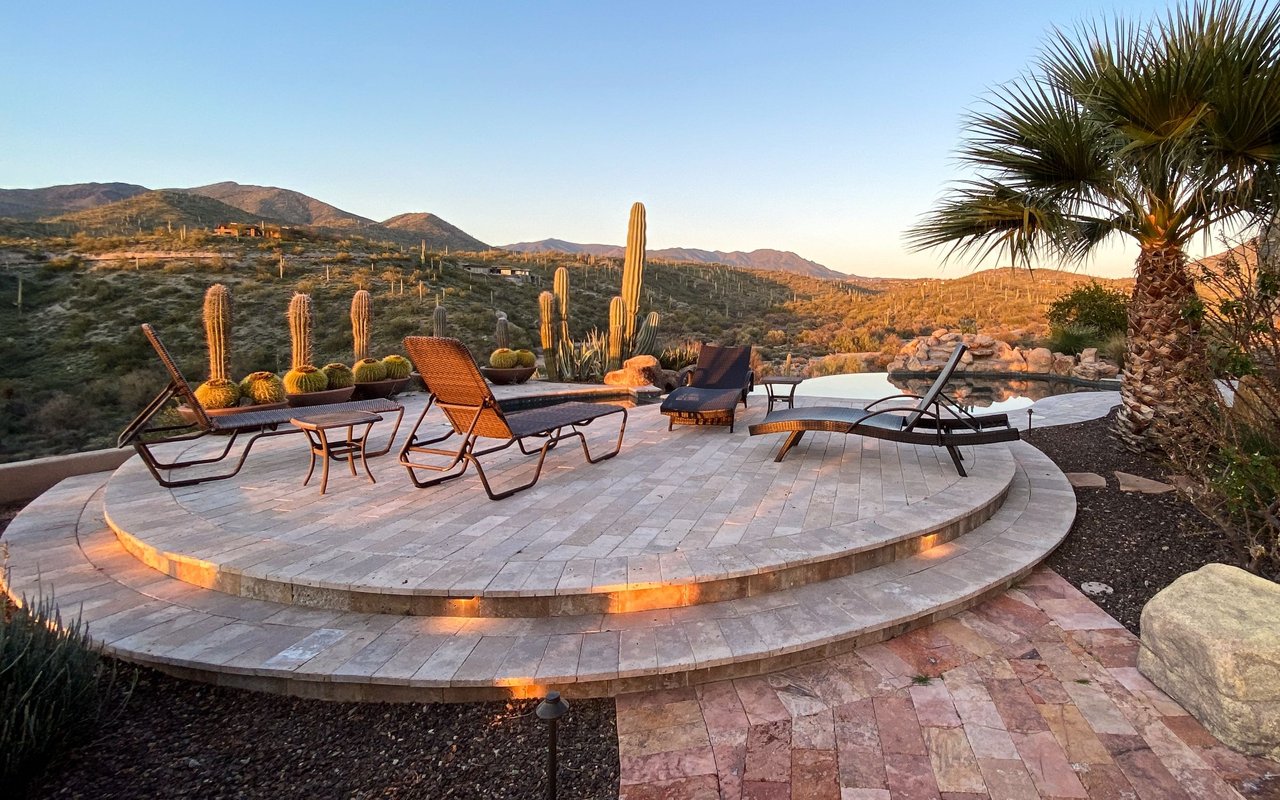
Watching meteors takes open sky and time, nothing more. With a 17 percent crescent and the shower building from about 10 p.m. toward the hours before dawn, peak night favors any spot where you can stay put late. For many people in Ventana that means a patio or a pool deck with the outdoor lights turned off, plus a blanket for a mid-December night. Monday, Dec. 14, is a workday, so a short session between 10 p.m. and midnight is a realistic goal.
A December evening plan from Ventana
Put together, the month looks like this. Friday, Dec. 11, and Saturday, Dec. 12, are the telescope nights, at Catalina State Park and Agua Caliente Park, both from 6 to 8 p.m. Sunday, Dec. 13, is peak night. Catch the 5:19 p.m. sunset from Babad Do'ag if you like, then watch for meteors from home after 10. The following Sunday, Dec. 20, the astronomy club holds free public solar telescope viewing at Saguaro National Park East from 1 to 3 p.m., and the park's admission fee applies. The next day, Monday, Dec. 21, is the winter solstice, with sunset at 5:23 p.m.
Hosting guests over the holidays who keep asking what winter evenings are like on the Ventana side of the Catalinas? Thalia Kyriakis is happy to talk through the views, the patios and the quiet corners of the Foothills that make December here memorable. Request a confidential consultation whenever the timing feels right.