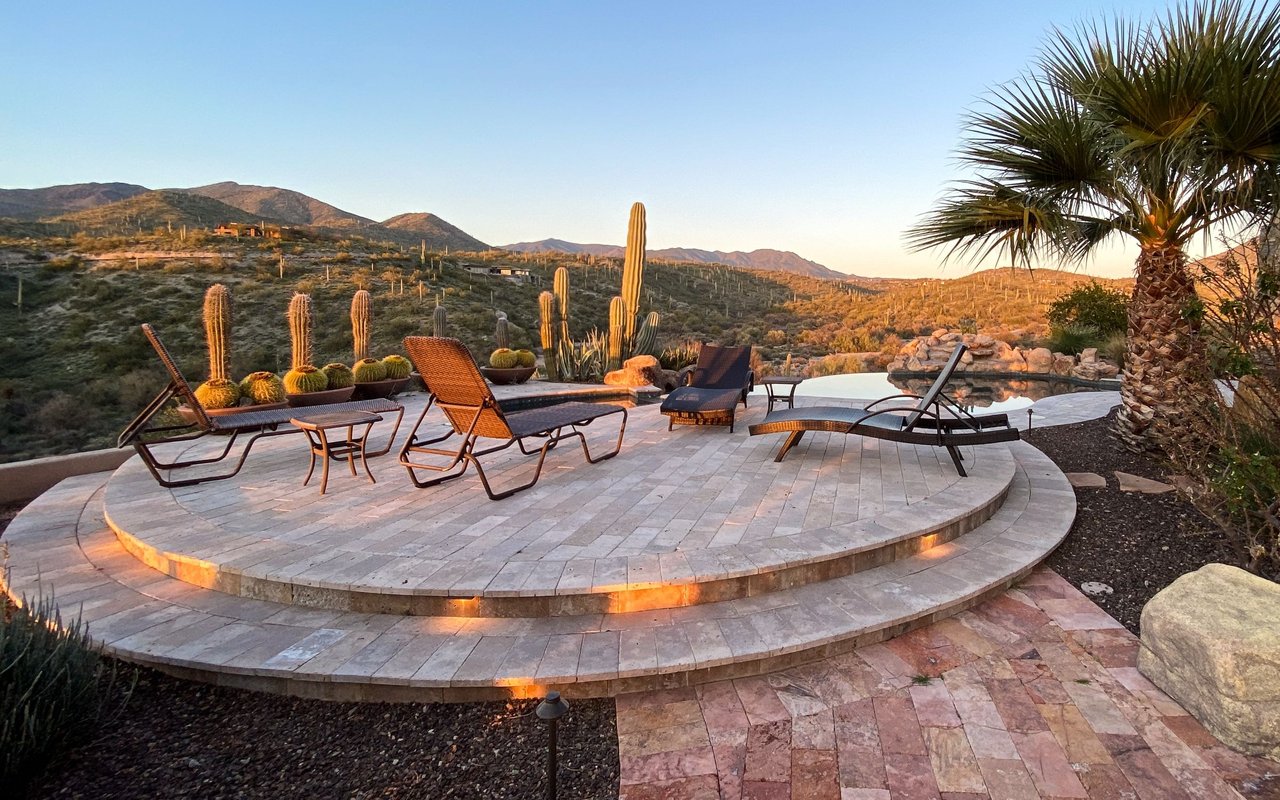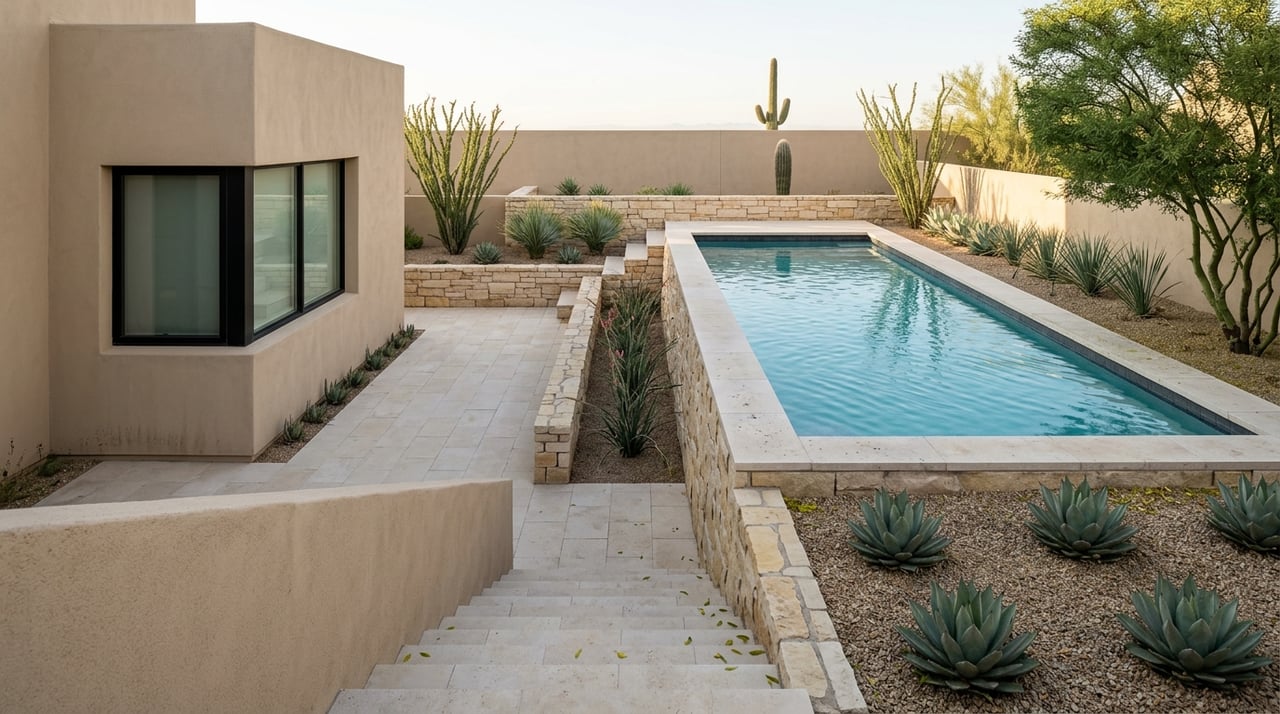
What makes one Catalina Foothills property feel unforgettable while another, with a similar house, feels merely fine? In this part of Pima County, the answer often comes down to the land itself. If you are buying or selling in the Foothills, understanding how lot position, slope, privacy, and view corridors shape value can help you make a smarter decision. Let’s dive in.
Why lot and view matter here
Catalina Foothills sits in an area where residential communities are strongly shaped by surrounding mountain ranges, according to Pima County. That local geography means the lot is not just a backdrop for the home. Elevation, slope, orientation, and what you can actually see from the property are part of the product.
This is one reason two homes with similar square footage and finishes can feel very different in person. One may offer a broad mountain outlook from the great room and patio, while another has only a partial glimpse from one corner of the yard. In the Foothills, that difference can matter.
Pima County also gives important local context through its Scenic Routes Plan. The county says this plan is intended to preserve visual resources along designated roadways, with goals that include protecting property values and neighborhood character. Within 200 feet of scenic routes, building height and color are restricted, which shows that view protection has real land-use significance here.
Lot features that influence value
Orientation affects daily comfort
Lot orientation can shape how a home lives from morning to evening. The U.S. Department of Energy notes that south-facing windows capture more winter sun while limiting direct summer sun when properly shaded. East- and west-facing windows can bring welcome light, but they can also create more glare and summer heat gain.
In Tucson-area conditions, that matters beyond the windows themselves. Orientation can change how comfortable a covered patio feels, when backyard seating is usable, and how much late-day heat reaches key living areas. A beautiful outdoor space is more valuable when you can enjoy it comfortably.
Slope can help and complicate
A hillside lot often brings the qualities buyers want most, such as elevation, privacy, and stronger views. At the same time, slope can introduce cost and complexity. Pima County’s Hillside Development Overlay treats slopes of 15% or greater as impact areas that require more detailed design and site documentation.
In practical terms, a steeper lot may need more grading, retaining walls, drainage planning, and careful placement of the finished floor. That does not make the lot less desirable by default. It simply means the value story is more nuanced.
Privacy and open space matter
Privacy is not always about distance from neighbors alone. In many cases, the more important question is what sits beyond the lot line. Research cited in the report shows that open space and preserved views can support home values, especially when the openness is permanent rather than developable.
For you as a buyer or seller, that means a lot bordered by wash, preserve, or other non-buildable land may offer a stronger long-term advantage than a similar lot next to vacant land that could eventually be developed. The visual buffer may look similar today, but its durability can be very different.
Not all views are equal
A view is not simply present or absent. Research on residential view value shows that quality matters, including how broad the view is and what kind of landscape is visible. A narrow peek at the mountains usually does not carry the same weight as a wide natural panorama experienced from the home’s main living spaces.
This is especially relevant in Catalina Foothills, where the emotional pull of a property often comes from the way indoor and outdoor spaces connect to the desert and mountain setting. A stable, expansive corridor tends to feel more significant than a partial or easily obstructed one.
How to think about view value
Ask whether the view is durable
One of the most useful questions is not “Is there a view?” but “How likely is this view to stay?” If the outlook is backed by protected open space or a regulated scenic corridor, it may have more staying power. If it looks across a buildable parcel, the premium may be less secure.
Pima County’s scenic-route rules support this idea because they reflect a local policy interest in preserving visual resources. That does not guarantee every sightline stays unchanged, but it does show that permanence matters in how land is regulated and perceived.
Focus on where you live most
A view carries more practical value when it is visible from the places you use every day. Think about the kitchen, great room, primary suite, patio, pool deck, or breakfast area. A dramatic vista from the far edge of the lot matters less if it does not shape your daily experience.
This is also a helpful way to compare homes. Two listings may both advertise mountain views, but the one that frames the scenery from major living spaces often feels more compelling in real life.
Separate replaceable from irreplaceable
Finishes can be updated. Landscaping can mature. Furnishings can change the mood of a room. But elevation, orientation, topography, and a protected view corridor are much harder to reproduce.
That is why lot analysis is so important in the Foothills. A house can be renovated over time, but the core land characteristics usually stay with the property.
How to evaluate a lot during a showing
Visit at different times of day
If possible, see the property in the morning, afternoon, and late day. Sun angle changes how rooms feel, how much glare reaches the interior, and how usable outdoor spaces are. East- and west-facing exposure can behave very differently as the day progresses.
A home that feels calm and bright in the morning may feel much hotter or harsher later in the day. In a desert market, that difference is worth paying attention to.
Stand in the rooms that matter
Do not judge the lot only from the front walk or one backyard corner. Stand in the kitchen, great room, primary suite, and outdoor seating areas. Ask yourself whether the view is part of daily life or just a nice extra from a limited vantage point.
This can quickly reveal whether a lot’s premium is justified. The most valuable views are often the ones you keep noticing without having to go look for them.
Look beyond the boundary line
Study what borders the parcel. Is there open space, a wash, scenic-route context, or another lot that may be built in the future? The answer can affect both privacy and the long-term security of the view.
This is one of the simplest ways to move from first impressions to a more informed judgment. What looks open today may not always remain open.
Check slope-related details
On hillside parcels, pay attention to driveway grade, retaining walls, drainage patterns, and how the home sits on the site. Pima County’s hillside checklist requires careful documentation of these features, which signals their importance. They are not cosmetic details.
These site conditions may affect convenience, future maintenance, and the overall cost of improving or rebuilding on the lot. A dramatic setting can be worth it, but it should be understood clearly.
What sellers should understand
If you are selling a Catalina Foothills home, lot and view value deserve careful storytelling. Buyers often respond to what they can feel, but they also benefit from context. A broad mountain corridor, a privacy buffer created by non-buildable land, or a lot orientation that improves outdoor comfort can all help explain why your property stands apart.
At the same time, it is wise to stay specific. The research report does not support one universal adjustment for views, slope, or open space because premiums vary by neighborhood context. In other words, the right value discussion is property-specific, not formula-based.
This is where thoughtful local representation matters. Presenting the land well means showing not just the house, but also the lived experience of the site.
The bottom line on lot and view value
In Catalina Foothills, the strongest lots are often the ones where the view is broad, durable, and visible from the rooms that matter most. The weaker lots tend to be those with partial sightlines, future obstruction risk, or steep-site challenges that reduce usability or increase complexity.
When you evaluate a property here, it helps to look past finishes and focus on what cannot easily be changed. The Foothills market often rewards land characteristics that shape privacy, comfort, and the day-to-day experience of living with the desert landscape.
If you want help weighing a specific lot, comparing view quality, or preparing a property for market, Thalia Kyriakis offers discreet, local guidance tailored to Catalina Foothills buyers and sellers.
FAQs
How important is lot value in Catalina Foothills real estate?
- Lot value is especially important in Catalina Foothills because Pima County notes that the area’s residential communities are shaped by mountain geography, making elevation, slope, orientation, privacy, and views meaningful parts of the property.
How can you tell if a Catalina Foothills view is protected?
- The key question is what lies beyond the property boundary, such as protected open space, a scenic-route context, or a buildable parcel that could change over time.
Does slope add or reduce value in Catalina Foothills?
- Slope can add privacy, elevation, and stronger views, but steeper lots can also require more complex design, grading, drainage work, and retaining walls under Pima County hillside rules.
Does lot orientation matter in Tucson-area homes?
- Yes. Research cited in the report shows that south-facing exposure generally helps with winter sun, while east- and west-facing exposure can create more summer heat and glare.
What should you look at during a Catalina Foothills home tour?
- Visit at different times of day, stand in the rooms and outdoor areas you would use most, look beyond the lot line, and check hillside details like driveway grade, drainage, and retaining walls.