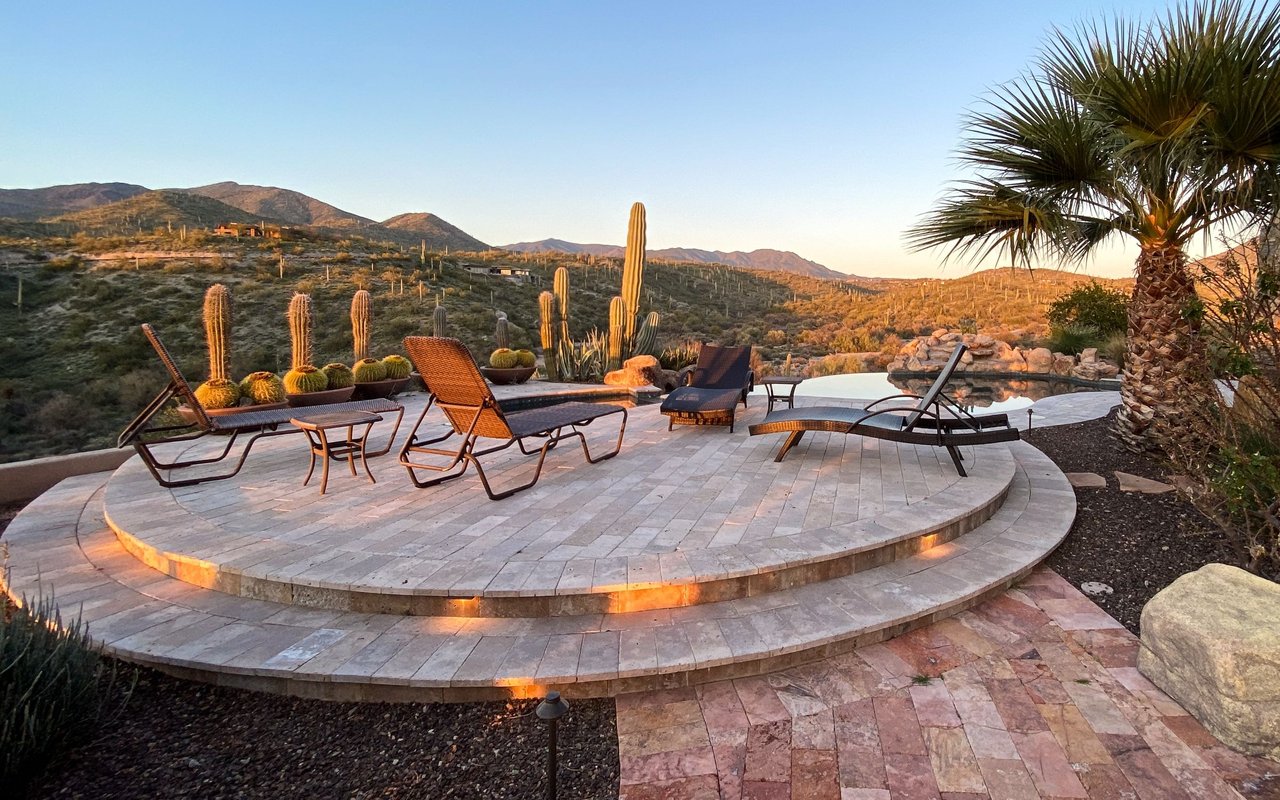
Thinking about buying in Tubac but not sure if a second home or an investment property is the better move? You are not alone. Tubac’s historic arts vibe, winter visitor season, and small-town character make the decision both exciting and complex. In this guide, you will learn how Tubac’s market works, what to expect from short-term and long-term rentals, how financing and taxes differ, and a step-by-step checklist to move forward with confidence. Let’s dive in.
Tubac at a glance
Tubac is a small historic arts village in southern Arizona known for galleries, the Tubac Presidio State Historic Park, and seasonal events. The housing supply is limited compared with larger cities, and you will find everything from adobe-style homes near the village to condos, townhomes, and ranch parcels in the surrounding county.
Visitor demand is driven by arts and cultural tourism, winter snowbirds, golf and outdoor recreation, and day trips from the Tucson area. This seasonal profile is important if you plan to rent the home. Winters are typically stronger for bookings, while shoulder seasons can be slower.
Tubac is also a small market, which means fewer listings and fewer annual transactions than Tucson or Phoenix. Prices can swing more and some homes take longer to sell. Lifestyle appeal often drives purchases as much as pure numbers.
Second home vs investment property
If you want a place to enjoy personally, a second home prioritizes lifestyle value. If your top goal is income and return, an investment property focuses on cash flow and risk-adjusted performance.
When a second home makes sense
- You value time in Tubac for the arts, quiet village feel, golf, and nearby nature.
- You prefer lower management complexity and may only rent occasionally.
- You want more favorable financing terms than typical investor loans.
- You understand that heavy personal use can reduce rental loss deductions under IRS rules.
When an investment property makes sense
- Your main goal is income and long-term return.
- You are prepared for active management if doing a short-term rental and the seasonality that comes with it.
- You plan for higher down payment, higher interest rates, and specialized insurance.
- You are comfortable modeling conservative scenarios in a small market.
Short-term vs long-term rental in Tubac
Short-term rentals can capture higher nightly rates during winter and on event weekends. Expect stronger performance in peak season and lower occupancy in slower months. Guest demand is typically arts and culture visitors, snowbirds, and leisure travelers.
Long-term rentals may offer steadier occupancy but the renter pool in the immediate village is limited. Broader Santa Cruz County has more long-term demand for workers who commute, but average monthly rents are usually lower than peak short-term rates.
To estimate performance, talk with local property managers and review specialized analytics from providers that track occupancy and average daily rates for small markets. Always apply a conservative lens.
Financing and insurance differences
Lenders treat second homes more favorably than investor properties.
- Down payment: Second home loans often allow lower down payments, sometimes 10 to 20 percent depending on your profile and lender. Investment property loans commonly require 15 to 25 percent or more.
- Interest rate: Investment property rates are usually higher than second home rates.
- Underwriting: Investor loans may require rental income documentation or projections. Programs like FHA generally require primary occupancy and are not suitable for second homes or investment properties in most cases. VA loans have specific occupancy rules.
- Insurance: Vacation rental or dwelling fire policies often cost more than standard primary-home policies. If you plan to operate a short-term rental, confirm that your policy covers that use.
Modeling returns in a seasonal market
Treat Tubac like the unique small market that it is. Build two sets of numbers before you buy.
- Conservative case: Lower occupancy, realistic expenses, and reserves for repairs.
- Optimistic case: Strong winter season, event-driven spikes, and higher average daily rates.
For short-term rentals, estimate revenue with a simple framework:
- STR revenue = Average Daily Rate × Occupancy Rate × Nights available
Then include operating costs:
- Management fees, cleaning and linen services
- Utilities, HOA dues if any, landscaping and routine maintenance
- Insurance premiums and property taxes
- Furnishings and turnover supplies
- Listing platform fees and marketing
Break-even tip: Calculate the minimum occupancy needed to cover your mortgage plus all operating expenses. If that break-even level requires unrealistic occupancy in slow months, revisit your assumptions.
Compare after-tax returns as well. Depreciation can defer some taxes on investment property income, and passive activity rules can limit loss deductions depending on your participation and how you use the property. Consult a CPA before you set your strategy.
Rules, permits, and taxes to verify
Before you operate any rental in Tubac or greater Santa Cruz County, confirm the local and state requirements.
- Short-term rental taxes: Transient or lodging taxes, often through Arizona’s transaction privilege tax structure, may apply to stays under a certain length. Registration and filing are typically required.
- Licenses and permits: Some jurisdictions require business licenses, safety inspections, or special use permits for short-term rentals.
- Zoning and HOA: Some neighborhoods or HOAs restrict or prohibit short-term rentals. Review CC&Rs and county zoning.
- State and federal taxes: Arizona taxes rental income, and the IRS treats rental income as taxable with typical deductions for mortgage interest, property taxes, insurance, maintenance, and depreciation.
- Personal use threshold: If you use the property personally for more than the greater of 14 days or 10 percent of the days it is rented at fair market value, your ability to deduct losses may be limited under IRS rules.
Platforms may collect and remit certain taxes in some areas, but owners remain responsible for verifying full compliance. Always check with Santa Cruz County offices and the Arizona Department of Revenue, and speak with a CPA experienced in vacation rentals.
Operating a Tubac STR
Seasonality matters. Winter months often bring the strongest demand, while shoulder seasons can be uneven. Local arts events and festivals can boost occupancy and rates on specific weekends.
Position your property to stand out.
- Lean into Tubac’s strengths: walkability to galleries, historic charm, access to golf and nature, and a quiet village ambiance.
Budget for management and vendors.
- Management fees: Short-term rental managers typically charge 20 to 40 percent of gross revenue depending on services. Long-term managers often charge 8 to 12 percent of monthly rent.
- Cleaning, linens, and photography: Invest in professional services to lift your average daily rate and reviews.
- Safety and access: Clear guest instructions for parking and entry, plus responsive support for emergencies.
Risks to plan for
- Regulatory changes: County rules, taxes, or HOA policies can shift and affect short-term rental operations.
- Seasonality: Revenue is concentrated in winter. Off-season vacancy can be higher than you expect.
- Small-market liquidity: Fewer buyers and listings can mean longer resale times and more price sensitivity.
- Remote ownership: Plan for routine maintenance, pest control, and quick responses to water or systems issues.
- Local perception factors: Tubac’s southern location near the border is a personal consideration for some buyers. Visit in different seasons and times of day to align your expectations with your experience.
Due diligence checklist
Use this list to move from idea to informed offer.
- Confirm zoning, STR rules, and any required permits with Santa Cruz County and your HOA if applicable.
- Request a comparative market analysis for the specific neighborhood or building.
- Review comparable sales and realistic STR performance for similar properties.
- Check property tax history and any special assessments through county records.
- Verify insurance availability and premiums for second home and vacation rental coverage.
- Build conservative and optimistic cash flow scenarios, including reserves.
- Visit Tubac in winter high season and a summer or shoulder month to feel the cadence of demand.
- Speak with lenders about second home versus investor loan terms and down payment requirements.
- Interview at least one local property manager for occupancy, expense estimates, and service scope.
- Consult a CPA on rental taxation, passive activity rules, depreciation, and capital gains planning.
Your next step in Tubac
If Tubac’s mix of arts, history, and open skies speaks to you, the right strategy will make the purchase rewarding, whether you lean toward personal enjoyment or income. The key is to model the numbers honestly, verify rules in advance, and build a support team you trust.
If you would like a local perspective on neighborhoods, rental viability, or a discreet valuation, connect with Thalia Kyriakis for concierge guidance from search to closing. Hablamos español.
Ready to explore? Request a confidential consultation through the brand site at Thalia Kyriakis.
FAQs
Is Tubac a good place for a second home?
- Yes if you value arts, historic character, and a quieter village setting with strong winter appeal and easy access to outdoor recreation.
Does Tubac support short-term rentals seasonally?
- Short-term rental demand is strongest in winter and around arts events, with slower shoulder seasons that require conservative planning.
How do loans differ for second homes vs investments?
- Second home loans often allow lower down payments and rates, while investment loans usually require larger down payments and carry higher interest rates.
What taxes and permits apply to Tubac rentals?
- Expect lodging tax registration and filings for short stays, possible business licenses, and compliance with county zoning and any HOA rules.
How can I estimate STR earnings in Tubac?
- Combine local manager input with conservative occupancy and rate assumptions, build two scenarios, and include all operating and tax costs.
What are typical property management fees in Tubac?
- Short-term rental managers often charge 20 to 40 percent of gross revenue, while long-term rental managers typically charge 8 to 12 percent of monthly rent.
How easy is resale in a small market like Tubac?
- Liquidity can be limited, which may mean longer time to sell and more sensitivity to pricing and property uniqueness.