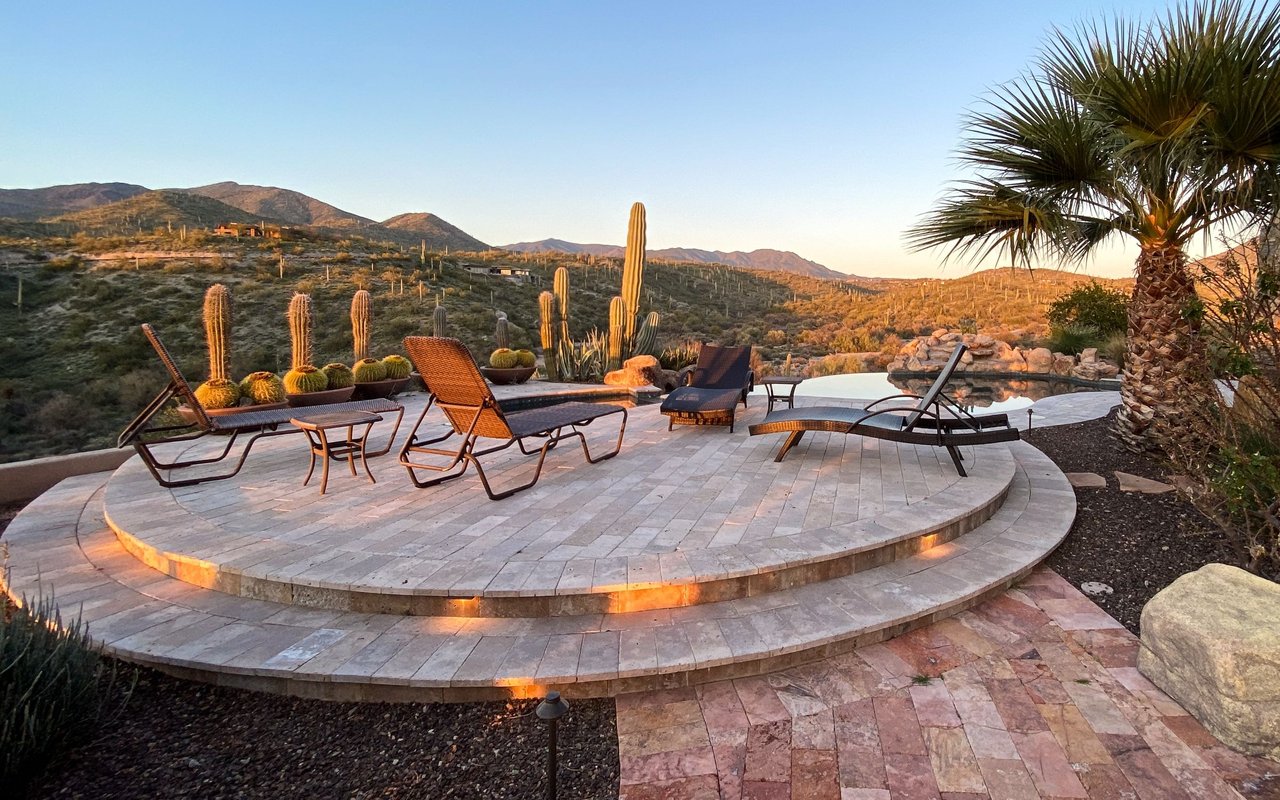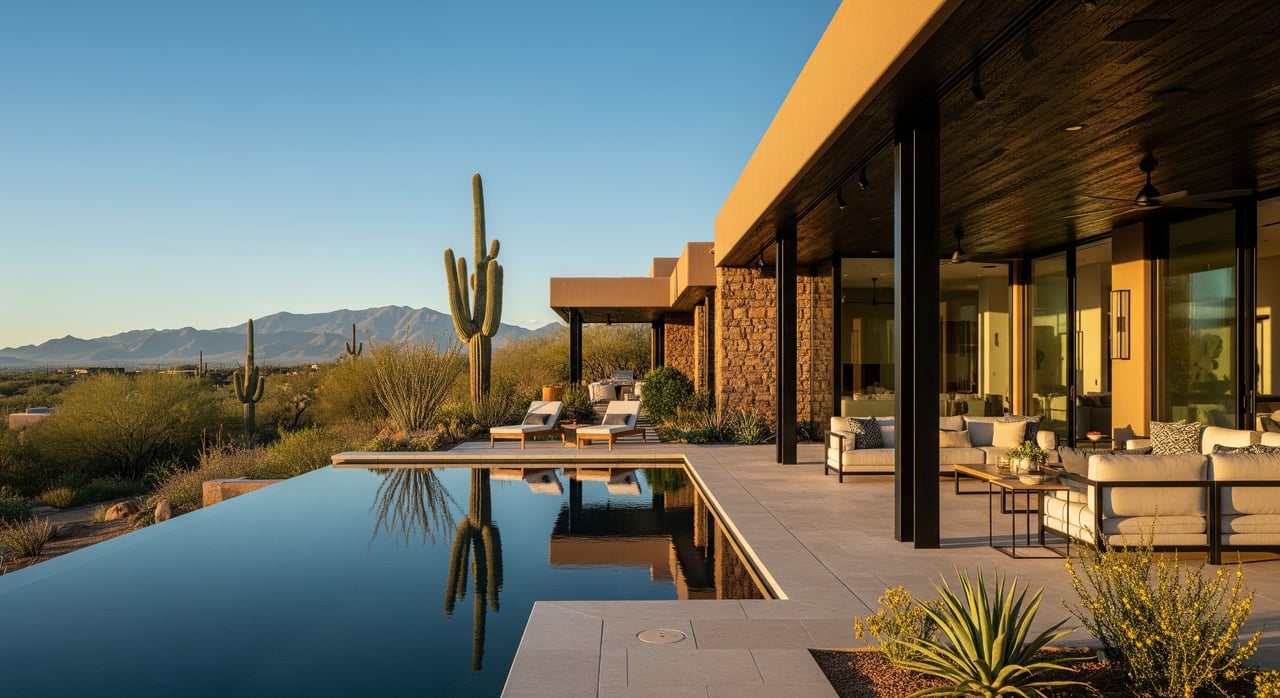
Wondering why the 85750 market can feel busy in February and quieter by July? In Southern Arizona, timing is not just about interest rates. It is about snowbird arrivals, monsoon season, school calendars, and local events that shape when buyers shop and when sellers list. If you understand these rhythms, you can plan with confidence. In this guide, you will learn the patterns that define 85750 and Pima County, what they mean for you, and how to use them to your advantage. Let’s dive in.
How seasonality works in 85750
Winter to early spring: demand swell
From roughly November through April, buyer demand rises as seasonal residents and out‑of‑state visitors arrive. Mild weather supports more showings and open houses, and investors watch for strong short‑term rental periods. If you want broad exposure to relocating buyers, this window often delivers.
Spring peak listings
February through May is a traditional listing and selling season. In the Tucson area, spring brings strong activity and appealing desert landscaping. Many closings happen before summer, which works well for families aligning moves with school calendars.
Summer slowdown and monsoon
June through August, activity typically eases as heat and monsoon season reduce showings. There are fewer new listings and longer days on market. Buyers who stay active often gain negotiation leverage, since motivated sellers may adjust pricing or terms.
Fall transition and ramp‑up
September and October are transitional months. After monsoon, some sellers list to catch early winter visitors. Activity often climbs again entering November as snowbirds arrive and demand builds.
What drives these patterns
Climate and monsoon timing
Southern Arizona’s hot summers and mild winters drive seasonal living. Monsoon season, typically July through September, can affect access and inspections. Winter’s comfortable weather expands market reach with out‑of‑town visits and higher open house turnout.
Snowbird and second‑home demand
Seasonal residents, often from colder states or Canada, arrive mainly November through April. Many seek move‑in ready properties, low‑maintenance yards, and proximity to recreation or medical services. Their presence can increase winter buyer traffic and short‑term rental occupancy.
School and university calendars
Families prefer summer closings, so listings often come on in late spring. University schedules also shape rental demand around August or September and again in January, although student‑driven cycles differ from the owner‑occupied market.
Events and tourism
Major events, like the Tucson Gem and Mineral Show in February, increase visitor traffic and short‑term rental demand. Investors and second‑home buyers often time visits during these events, which can boost showings.
Mortgage markets and tax season
Interest rate shifts and tax season in early spring can influence buyer urgency. When these national factors meet local seasonal flows, they can amplify activity in late fall through spring.
What this means if you are selling
Best listing windows
- Aim for late fall through early spring to reach seasonal visitors and relocating buyers.
- Spring, especially February through May, often brings strong buyer activity across the board.
- If your ideal buyer is a family, consider listing early spring to close during summer.
Prep timeline and checklist
Start preparations 6 to 8 weeks before your target list date so you can launch into the right window.
- Repairs and maintenance: service HVAC, check roof and drainage, address deferred items.
- Staging and landscaping: highlight xeriscape, refresh gravel, and prune desert plants.
- Photography and video: schedule when desert blooms pop in spring or plan evening light in summer.
- Digital assets: create virtual tours and floor plans to reach out‑of‑state shoppers.
Pricing and negotiation by season
- Winter and spring: expect more competition and stronger list‑price acceptance.
- Summer: plan for strategic pricing and potential concessions to meet the market.
- Always review recent, month‑by‑month comparables for 85750 to separate seasonal effects from trend changes.
Marketing for seasonal buyers
- Emphasize features valued by seasonal residents, like low‑maintenance yards and energy‑efficient cooling.
- Use video tours and remote‑friendly showings to engage out‑of‑state prospects before they arrive.
- Share proximity to recreation, healthcare, and golf in a neutral, factual way that focuses on lifestyle and convenience.
Open house timing
- Target weekends from mid‑November onward, when arrivals increase.
- Add midweek showings during winter, since many seasonal buyers are flexible travelers.
What this means if you are buying
Summer strategy for leverage
- Expect fewer listings but also fewer competing buyers.
- Watch for motivated sellers who listed ahead of the seasonal lull.
- Use your leverage to negotiate on price, closing costs, or minor repairs where appropriate.
Winter and spring strategy
- Inventory can be broader, but competition rises.
- Get fully pre‑approved before touring and be ready for faster decision timelines.
- Focus on strong, clean offers grounded in recent local data.
Financing timing
- Rates do not follow seasons, so lock strategies matter year‑round.
- Align pre‑approval with your planned search window so you can move quickly when the right home appears.
Inspections in monsoon months
- Schedule carefully around storms and ask inspectors to assess drainage, grading, and roof conditions.
- Review any disclosures related to water intrusion and wind damage.
Considering short‑term rentals
- Winter months can drive peak occupancy and revenue.
- Check current city and county regulations, permitting, and tax requirements before underwriting.
What to track to time your move
To distinguish seasonal rhythm from broader market shifts, follow multi‑year monthly data for 85750.
- New and active listings by month
- Pending and closed sales by month
- Median sale price and price per square foot
- Days on market and months of supply
- Median percent of list price received
How to analyze it:
- Compare the same month year over year, like May this year vs May last year.
- Build a seasonal index across several years to see which months reliably peak or dip.
- Cross‑check 85750 patterns against Pima County or the Tucson metro to spot micro‑market differences.
Useful sources include the Greater Tucson Association of REALTORS monthly reports, local MLS data, Pima County Recorder and Assessor records, and trusted aggregators that provide zip‑level trends. Use the most recent reports available, then layer in local event calendars and university dates to understand temporary demand spikes.
Micro‑markets inside 85750
ZIP 85750 includes multiple sub‑areas and price points. Averages can hide big differences between property types, views, lot sizes, and gated communities. When planning your next move, analyze data by property type and price tier, then align your strategy with the target buyer for your specific home. This is where local expertise and precise comps matter most.
Quick seasonal timelines
Seller timeline by season
- November to April: Launch listings, prioritize open houses, and leverage out‑of‑state demand.
- February to May: Expect broad activity and quicker decisions. Keep pricing aligned with fresh comps.
- June to August: If listing, adjust pricing and offer terms to meet a smaller but serious buyer pool. Photograph in the evening for best light and comfort.
- September to October: Prepare for a late‑fall launch. Complete updates, service HVAC, and refresh landscaping.
Buyer timeline by season
- November to April: Get fully pre‑approved, tour fast, and make strong, clean offers in competitive segments.
- February to May: Monitor new listings daily and expect shorter days on market for well‑priced homes.
- June to August: Use quieter conditions to negotiate. Inspect carefully during monsoon for drainage and roof performance.
- September to October: Line up financing and watch for new listings aimed at early winter visitors.
Plan your move with confidence
When you know how snowbirds, monsoon timing, and local calendars affect 85750, you can plan when to list, how to price, and when to write a strong offer. Whether you are upsizing, relocating, or buying a seasonal retreat, the right seasonal strategy gives you an edge. If you want a tailored plan backed by local data and white‑glove marketing, connect with Thalia Kyriakis for a confidential consultation.
FAQs
What is the best time to sell in 85750?
- Generally late fall through spring captures seasonal visitors, and spring from February to May often brings the broadest buyer activity.
Is summer a bad time to buy in Tucson’s 85750?
- Not at all. Summer usually has fewer competing buyers, which can create stronger negotiating power even if inventory is lighter.
Do home prices in Pima County change by season?
- Many areas see higher list‑price acceptance and faster sales in winter and spring, with slower movement and more concessions in summer.
How do snowbirds affect the Catalina Foothills market?
- They increase winter demand for move‑in ready, low‑maintenance homes and help boost short‑term rental occupancy during peak months.
Are there special inspection concerns during monsoon season?
- Yes. Ask inspectors to evaluate drainage, grading, and roof conditions, and review any disclosures related to water intrusion or wind damage.