Do you picture morning coffee under mature shade trees, a quick bike to campus, and evenings at a neighborhood park? If so, Sam Hughes might be the central Tucson lifestyle you’re after. Choosing the right neighborhood is about fit, from the kind of homes you love to how you like to move through your day. In this guide, you’ll get a clear look at Sam Hughes’ architecture, price ranges, walkability, renovation rules, and who tends to thrive here. Let’s dive in.
Where Sam Hughes sits and why it feels special
Sam Hughes sits immediately east of the University of Arizona in central Tucson, placing you close to campus, Fourth Avenue, and downtown. The neighborhood is a documented historic district, listed on the National Register of Historic Places in 1994 with a boundary amendment in 2000. You can explore the district’s origins and boundaries in the official nomination file from the City of Tucson’s archives. The National Register of Historic Places nomination details its historical context and architecture.
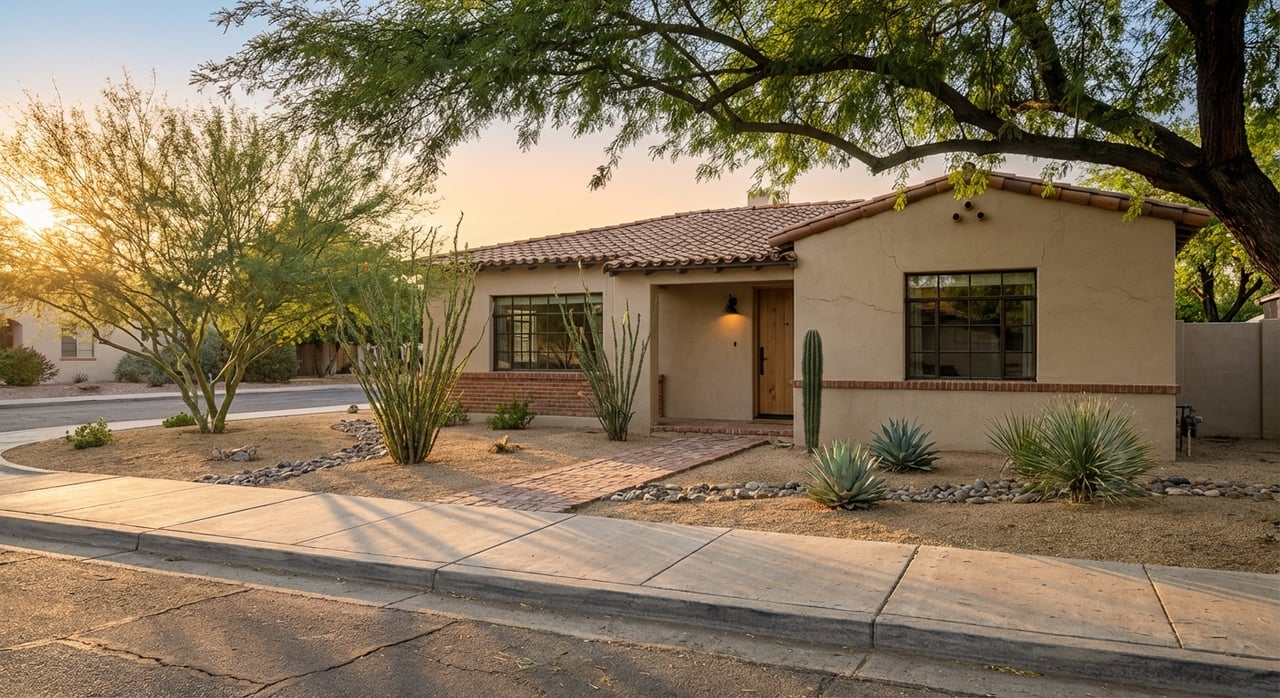
Most homes were built between the 1920s and 1950s. You’ll see a mix of styles that give the neighborhood its charm, including Craftsman and Bungalow, Spanish Eclectic and Pueblo Revival, Minimal Traditional, Ranch, and even International Style. With roughly 720 to 725 properties noted in the nomination, the area reads as a cohesive historic district rather than a single-era tract. That variety is a big part of why people fall in love with Sam Hughes.
What the homes look like
Expect mostly single-family houses with classic curb appeal and smaller front setbacks that keep the street scene lively. Many homes feature original details like wood beams, plaster walls, or arcades, paired with updated kitchens and systems. You’ll also find pockets of small multifamily or condo buildings and occasional high-quality infill or rebuilds.
Streets are generally lined with established trees, and you’ll notice an easy, human-scale feel that supports daily walks and bike rides. If character and provenance matter to you, Sam Hughes delivers the architectural story many buyers seek in central Tucson.
What you can expect to pay
Price snapshots vary by data source and timing, so it’s smart to look at a range. As of late 2025, MLS-based providers reported neighborhood medians around 660,000 to 665,000 dollars. Zillow’s Home Value Index reported a typical home value near 539,000 dollars on January 31, 2026. Different methodologies explain the gap, so use these numbers as a starting zone rather than a target for any single property.
Market behavior has been described as somewhat competitive, with many homes spending roughly 40 to 70 days on market depending on the month, and sale-to-list ratios near the high 90s. Rental options exist within and around the neighborhood, with reported medians near 2,000 dollars per month in late 2025 snapshots. For the most accurate picture, ask for an address-specific comparative market analysis tailored to condition, lot, and architectural significance.
Walkability, bikes, and daily convenience
One of Sam Hughes’ biggest draws is how you get around. The neighborhood scores as very walkable, with a Walk Score around 76, a Transit Score near 45, and a Bike Score around 97, reflecting strong bike-friendliness. Check current numbers on the Walk Score neighborhood page.
The Sun Link streetcar connects the University area to Fourth Avenue, downtown, and the Mercado District, which makes short trips beyond the neighborhood easy. Learn more about routes and stops on the Sun Link streetcar page. Many residents walk or bike to campus, then hop the streetcar for lunch, events, or a night out along the corridor. For a quick primer on how the streetcar ties major hubs together, see this overview of the Tucson streetcar corridor.
Within the neighborhood, Himmel Park is a true anchor, featuring a library, pool, tennis and pickleball facilities, and broad green space for everyday recreation. It is a popular local hub for all kinds of activities. Explore features and programs at Himmel Park’s profile.
Typical one-way commutes to UA or downtown often fall in the 5 to 15 minute window, depending on your start, destination, and time of day. If a short and active commute matters to you, Sam Hughes checks the box.
Preservation, permits, and incentives
Sam Hughes is listed on the National Register of Historic Places. That listing documents significance, but it does not automatically create the city’s local Historic Preservation Zone (HPZ) design controls for private owners. Tucson’s HPZ and Neighborhood Preservation Zone (NPZ) overlays are separate municipal tools that can require design review for exterior changes.
- Before changing exteriors or adding structures, verify whether your property sits within any local overlay and what the City of Tucson requires. Start with the City’s Historic Preservation FAQs and connect with Planning and Development Services for project-specific guidance.
- Arizona offers a State Historic Property Tax Reclassification program for qualifying rehabilitations. This can change how your property is assessed for a period of time, which may reduce your tax burden. See the state’s background materials in the Arizona Memory Project entry on historic programs here: Arizona SHPO program overview. Confirm eligibility and application steps with SHPO and the county assessor.
Historic homes often require thoughtful maintenance. Build in time and budget for inspections of the roof, electrical, plumbing, and foundation, plus sensible energy upgrades. If you are planning a renovation, consider professionals experienced with historic materials and methods.
Is Sam Hughes a fit for you?
You may be a great match if you:
- Want a central neighborhood where you can walk or bike to campus, parks, coffee, and errands.
- Value architectural character, mature landscaping, and a documented historic identity.
- Prefer a compact grid with a strong sense of place and neighborhood continuity.
- Are comfortable budgeting for the upkeep and modernization that older homes often need.
You may prefer to explore other central-Tucson options if you:
- Want brand-new, large-scale construction or high-rise condominium living, which you’ll find more often downtown or in newer infill projects near the Convention Center and Mercado corridor. For a sense of that streetcar-connected area, review the Tucson streetcar overview.
- Need a broader range of price points or more housing types, which are common in nearby historic districts like Rincon Heights or Blenman-Elm.
- Are focused on higher-density student rental investments, which tend to cluster closer to Fourth Avenue and West University.
Buyer checklist for historic homes
Use this quick list to shop with confidence:
- Get a full home inspection plus focused looks at roof, electrical panel and wiring, plumbing supply and waste lines, and foundation or slab.
- Consider a sewer scope and an HVAC evaluation, especially for older ductwork or swamp cooler conversions.
- Ask for documented permits on additions, accessory structures, and major system upgrades.
- Evaluate windows and insulation, then plan pragmatic energy improvements that preserve character.
- Confirm whether your address sits within any HPZ or NPZ overlays and what design review applies.
- Review the National Register nomination for neighborhood context and contributing status, if applicable. The full file is here: Sam Hughes NRHP nomination.
- Request a current MLS-driven market analysis to understand pricing per square foot for era, style, and condition.
- Budget for ongoing maintenance and prioritize qualified contractors with historic experience.
Seller tips to maximize value
- Preserve and polish original features buyers love, like built-ins, beamed ceilings, arcades, or vintage tile. Repair where needed and showcase these details in photos.
- Complete sensible pre-list improvements: fresh paint in neutral tones, lighting upgrades, landscaping refresh, and minor repairs that signal care.
- Organize your records. Permits and documentation on roof, electrical, plumbing, and HVAC upgrades build trust and support your price.
- Tell the home’s story. In Sam Hughes, provenance and design matter. Well-crafted marketing that highlights architecture, walkability, and proximity to neighborhood anchors like Himmel Park can broaden buyer appeal.
- Price with precision. Consider the latest sales of similar-era homes and factor in condition, lot, and architectural significance. Pair this with a launch plan that captures early momentum.
Next steps
If you want historic character, everyday convenience, and a central Tucson location, Sam Hughes is worth a close look. You now have a clear sense of the homes, lifestyle, price environment, and the preservation landscape that comes with owning in a documented district. If you are weighing Sam Hughes against other nearby neighborhoods, a guided comparison can save time and help you buy or sell with confidence.
For confidential, high-touch representation and a tailored market analysis, connect with Thalia Kyriakis. Request a confidential consultation or home valuation and get a plan that fits your goals.
FAQs
How close is Sam Hughes to the University of Arizona and downtown Tucson?
- Sam Hughes sits immediately east of campus, so many residents walk or bike to UA. The Sun Link streetcar connects the UA area to Fourth Avenue, downtown, and the Mercado District for easy short trips.
Are exterior changes restricted for homes in Sam Hughes Historic District?
- Sam Hughes is on the National Register, which documents significance but does not automatically impose the city’s HPZ design controls. Check the City’s Historic Preservation FAQs and review the NRHP nomination for context.
What price range and speed should I expect when buying in Sam Hughes?
- Late-2025 MLS-based medians were roughly 660,000 to 665,000 dollars, while the Zillow Home Value Index showed about 539,000 dollars on January 31, 2026. Conditions vary by month, with many listings taking 40 to 70 days to sell. Ask for an address-specific CMA to dial in value.
Are there tax incentives for renovating a historic home in Arizona?
- Yes. Arizona’s State Historic Property Tax Reclassification can apply to qualifying rehabilitations. See the Arizona SHPO program overview and confirm eligibility with SHPO and the county assessor.
What are Sam Hughes’ walk, transit, and bike scores?
- The neighborhood is very walkable, with a Walk Score around 76, Transit Score near 45, and Bike Score near 97. See current metrics on Walk Score.