Thinking about a gated home in the Catalina Foothills? You want privacy, views, and a neighborhood that feels cared for without constant upkeep. It is a big decision, and each gated community here runs a little differently. In this guide you will learn how Foothills HOAs work, what amenities and rules to expect, how gate access and security operate, and the due diligence that helps you buy with confidence. Let’s dive in.
Catalina Foothills overview
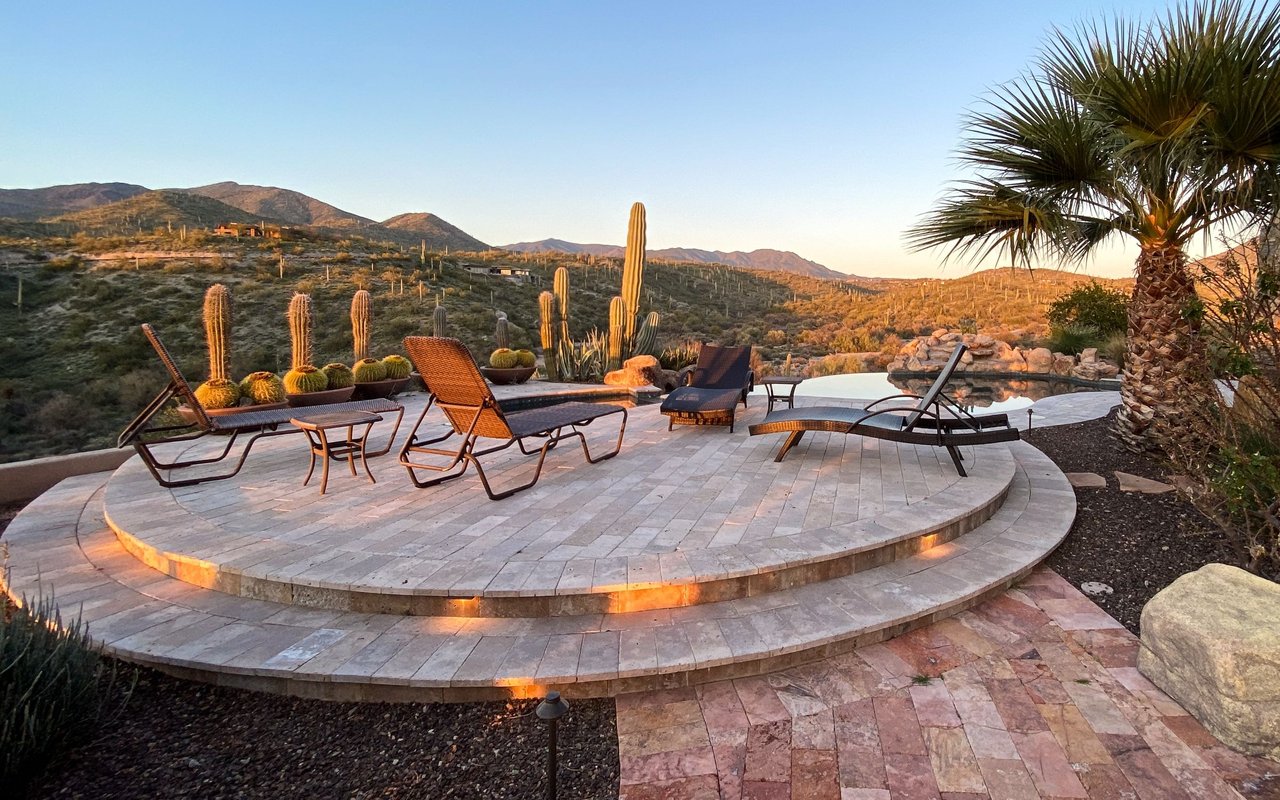
The Catalina Foothills sit north of central Tucson in unincorporated Pima County, tucked along the slopes of the Santa Catalina Mountains. Many neighborhoods were planned to capture mountain and city‑light views, with gated entries used to manage access, protect aesthetics, and maintain shared roads or amenities.
Because the area is unincorporated, Pima County codes and permitting apply to building, roads, utilities, and gates. The desert setting also shapes community rules. You will see wildfire‑mitigation requirements and water‑wise landscaping standards woven into many HOAs.
Community types you’ll find
- Luxury, master‑planned or golf‑oriented communities with clubhouses, fitness, golf, and social programming.
- Small private enclaves of estate lots focused on privacy and view corridors.
- Gated condominium or townhome complexes that emphasize convenience and exterior maintenance.
- Mixed enclaves with a gated street or cul‑de‑sac tucked inside a larger neighborhood.
What gated communities offer
Amenities you may see
Amenities vary by development and generally scale with dues. Common offerings include:
- Clubhouses, fitness centers, pools, and spas
- Tennis or pickleball courts and private trail access
- Gated entries or guardhouses with staffed security
- Golf in some master plans
Smaller enclaves may offer limited common areas and private roads, while luxury communities often add staff and organized events.
Design and architecture rules
Most Foothills HOAs use recorded CC&Rs and a Design Review Committee to manage aesthetics and view protection. Rules often address:
- Exterior colors, finishes, roofing materials, and building heights
- Footprint and setbacks designed to protect views
- Landscaping with native plants, xeriscape standards, and pruning obligations
- Walls, fencing, driveways, and gate design
- Solar panels and satellite dishes, typically allowed with design guidelines
- Additions, garages, accessory buildings, and outdoor structures
- Parking rules, RV or boat storage, and commercial vehicle limits
- Pet policies and animal limits
Environmental and safety rules
Expect defensible‑space landscaping and fire‑wise practices due to the wildland‑urban interface. Many communities also regulate outdoor lighting to protect night skies and mountain views, and they encourage water conservation through xeriscape and drip irrigation standards.
Gates and access control
Gate types and entry
You will see a mix of systems:
- Guarded gatehouses that staff visitor check‑in full‑time or part‑time
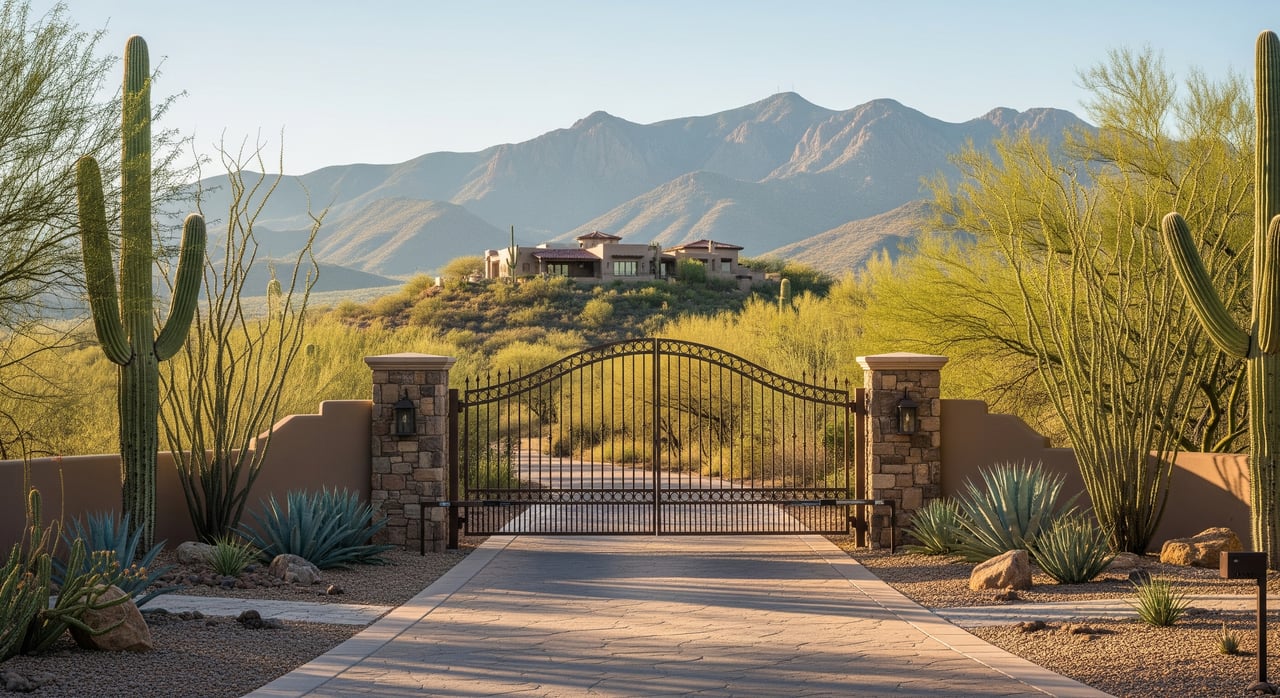
- Electronic gates using fobs, remotes, apps, or resident codes
- Call‑boxes that let visitors contact you for entry or request a temporary pass
Guests, deliveries, contractors
Visitor and vendor access typically follows set procedures:
- Pre‑register guests or buzz them in from a call‑box
- Short‑term visitor passes for friends and service providers
- Contractor registration with proof of insurance and defined work hours
- Delivery protocols that may allow drop‑offs beyond the gate by notification or use of a designated delivery area
Ask how frequent packages are handled and whether any vendors require escort.
Emergency access and outages
Gates must allow first responders to enter. Communities commonly use Knox Boxes, rapid‑release hardware, or radio/keypad systems recognized by Pima County. Clarify how gates operate during power failures, including battery backup and manual overrides, and what happens in a prolonged outage.
Security reality check
Gates deter casual traffic and reduce drive‑throughs, but they are not foolproof. Tailgating and social engineering can occur. A realistic view of security considers guard training, camera coverage, lighting, perimeter maintenance, and coordination with local law enforcement. Think of a gate as one layer in a broader safety plan.
HOAs, rules, and your rights
CC&Rs and committees
Most gated communities are governed by an HOA with recorded CC&Rs, bylaws, and policies that run with the land. Architectural committees review exterior changes to preserve community standards. Always read the recorded documents so you understand design controls, use restrictions, and enforcement.
Dues, reserves, assessments
HOAs handle private road upkeep, gate operation, landscaping of common areas, pool and amenity maintenance, and sometimes trash services. They also manage reserve funds and master insurance for common property. You pay regular dues and, in some cases, special assessments or transfer and capital contribution fees.
A healthy HOA budget and reserve study suggest strong maintenance planning. Review financials to assess whether dues align with services and whether reserves are adequate for future repairs.
Resale disclosures in Arizona
Arizona law provides statutory protections around association governance and disclosures. In the Foothills, HOAs typically prepare resale packets that include CC&Rs, rules, fees, budgets, reserve information, and any pending issues or litigation. Verify required disclosures and deadlines with your local agent or attorney.
Short‑term rental policies
Many associations restrict or prohibit short‑term rentals. Others allow them with registration and added rules. STR density can affect parking and gate traffic, so review these policies if you plan to rent or prefer a quieter environment.
Benefits of gated living
- Privacy and controlled access with reduced cut‑through traffic
- Consistent community appearance through design standards
- Shared amenities and exterior maintenance that simplify ownership
- Potential resale appeal to buyers who value security, amenities, and turnkey living
Trade‑offs to consider
- Ongoing HOA dues and possible special assessments
- Use restrictions that limit exterior changes, parking, pets, or rentals
- Approval timelines for design changes
- Security is not absolute, even with a gate
- Resale can be influenced by HOA quality and litigation history
What drives value here
In the Catalina Foothills, location and views are major price drivers. Gated status is one factor among many. Fee levels vary widely: compact condo communities often carry lower monthly dues, while luxury master‑planned neighborhoods with staffing, golf, and programming have higher dues. Compare the services included against the cost, and weigh them alongside setting and views.
Buyer due diligence checklist
Use this list to request and verify key items before you commit:
- Full CC&Rs, bylaws, rules and regulations, recorded plats, and easements
- Recent HOA budget, reserve study, and 2–3 years of financials
- Board meeting minutes for the past 6–12 months
- List of pending special assessments or capital projects
- Litigation disclosure and any judgments affecting the HOA
- HOA and management company contacts, plus management agreement terms
- Gate staffing and hours, guest policies, emergency access, and backup power
- Master insurance summary and owner insurance requirements
- Architectural guidelines and typical review timelines, plus fee schedules
- Rental and short‑term rental rules, guest and parking policies
- Road ownership and maintenance responsibilities
- Utility providers and any special service arrangements
- Wildfire mitigation policies and defensible‑space requirements
- A local crime report and a conversation with law enforcement about incidents nearby
Smart questions for showings
- Who enforces the rules and how are disputes handled?
- What are the average monthly dues and what do they include?
- When was the last special assessment and the most recent reserve study?
- How do guest, contractor, and delivery access work day‑to‑day?
- Are there covenants that affect views, solar panels, or exterior changes?
- What is the wildfire mitigation policy and who maintains defensible space?
Watch for these red flags
- Low or no reserves combined with deferred maintenance
- Frequent or large special assessments
- Significant pending litigation involving the HOA
- Architectural rules that are unusually restrictive for the area
- Vague or missing emergency access and gate failure plans
Next steps
If you are drawn to gated living in the Catalina Foothills, the right fit comes down to your priorities: views, amenities, privacy, and how much you want the HOA to manage. A careful review of documents, finances, access protocols, and design rules will help you buy with clarity.
When you are ready, connect with a local advisor who can source the right options and navigate disclosures with you. For discreet guidance and a curated search experience, reach out to Thalia Kyriakis. Request a confidential consultation or home valuation. También asesoría en español.
FAQs
What types of gated communities are in the Catalina Foothills?
- You will find luxury master‑planned or golf communities, small private enclaves of estate lots, gated condo or townhome complexes, and mixed enclaves with a single gated street.
How do HOAs in gated communities typically operate?
- HOAs use recorded CC&Rs, bylaws, and policies, manage roads, gates, amenities, landscaping, and insurance for common areas, and enforce design and use rules through committees.
How much are HOA dues in Foothills gated neighborhoods?
- Dues vary widely, with smaller condo associations often lower and luxury, amenity‑rich communities higher; compare included services, reserves, and maintenance plans.
How do guests and deliveries get through the gate?
- Communities use call‑boxes, pre‑registered guest lists, visitor passes, and specific delivery protocols; contractors may need insurance, registration, and limited access hours.
Do gates guarantee security in the Catalina Foothills?
- Gates deter casual traffic but are not foolproof; a layered approach that includes trained staff, cameras, lighting, and perimeter upkeep is more effective.
Are short‑term rentals allowed behind the gate?
- Many HOAs restrict or ban short‑term rentals, while others allow them with registration and rules; review the community’s policy before you buy.
What should I review before making an offer?
- Ask for CC&Rs, rules, budgets, reserve studies, recent financials and minutes, litigation disclosures, insurance summaries, gate protocols, and wildfire mitigation requirements.