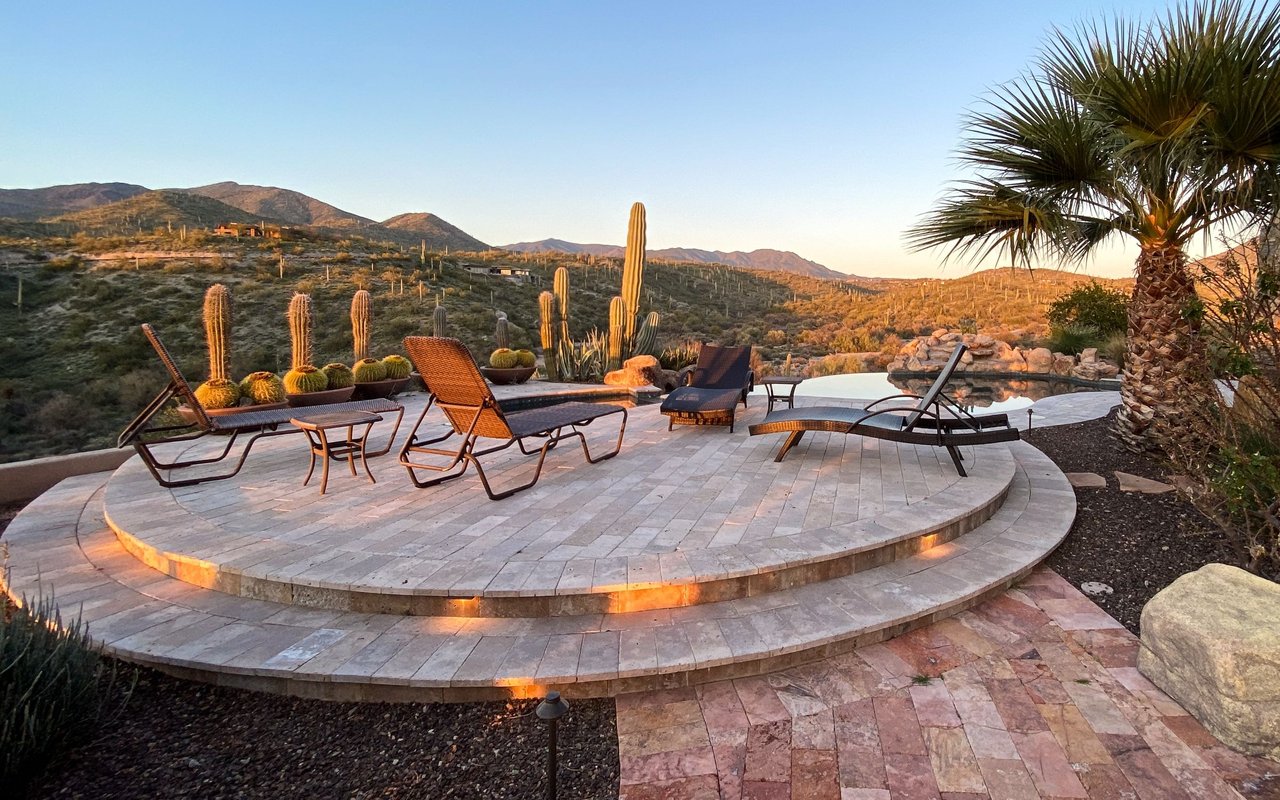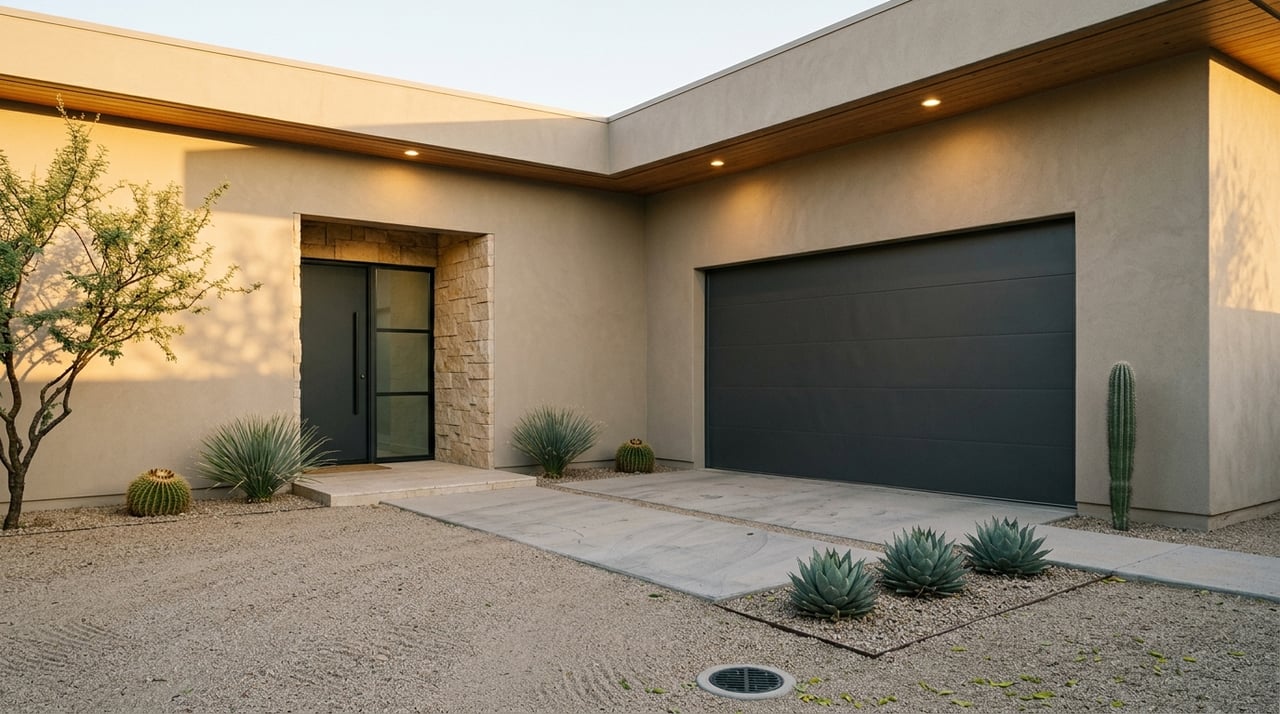
Luxury in Catalina Foothills is not just about square footage or finishes. It is about how your everyday life feels when mountain views, open space, and resort-style amenities are woven into the rhythm of a normal week. If you are exploring this part of Tucson, it helps to understand what daily living here actually looks like, beyond the listing photos. This guide will show you how Catalina Foothills blends scenery, privacy, convenience, and culture into a lifestyle that feels elevated without feeling forced. Let’s dive in.
What Everyday Luxury Means Here
In Catalina Foothills, luxury often starts with space. The area had 52,401 residents in the 2020 Census across 41.85 square miles of land, or about 1,252 people per square mile. That lower-density pattern shapes the experience of the community in a very real way.
You feel it in the setbacks, the view corridors, and the way homes and streets relate to the desert landscape. Planning documents for the broader Catalina Foothills area describe a landscape made up mostly of low- and very low-density residential uses, with commercial and resort development concentrated along major roads. In simple terms, that means your home life can feel quiet and residential while dining, shopping, and services stay close at hand.
This is also an area with a strong ownership profile. Census data shows that 76.4% of housing is owner-occupied, with a median owner-occupied home value of $652,000 and a median household income of $115,304. Those numbers help explain why the Foothills often appeals to buyers looking for a long-term lifestyle choice, not just a change of address.
Outdoor Living Is Part of the Routine
One of the biggest differences in Catalina Foothills is how easy it is to make the outdoors part of a regular day. You do not have to save the best scenery for a weekend plan. In many parts of the Foothills, it is already built into the route to breakfast, a walk, or an evening drive.
Sabino Canyon Recreation Area sits at the base of the Santa Catalina Mountains and is described by the Forest Service as one of southern Arizona’s premier natural areas. The paved road through the canyon is also a popular wheelchair-accessible route, which adds to its everyday usability for a wide range of visitors.
The trail network is another major part of the lifestyle. Forest Service information for Finger Rock, Bear Canyon, and Ventana Canyon highlights trailheads in or near the northern Tucson suburbs and resort areas, with routes that quickly move hikers into the Santa Catalina front range and the Pusch Ridge Wilderness. For you, that means access to nature is not distant or complicated. It is close enough to become part of an ordinary morning or late afternoon.
Scenic Drives Shape Daily Life
The Foothills experience is not limited to hiking. Sometimes everyday luxury is as simple as driving through a beautiful corridor on your way to dinner, errands, or home.
The Catalina Foothills Subregional Plan identifies scenic routes intended to preserve views and native vegetation. These include Sabino Canyon Road, Sunrise Drive, Campbell Avenue north of River Road, Catalina Highway, Kolb north of Sunrise, and Tanque Verde Road, among others.
That planning emphasis matters because it helps protect one of the area’s most valuable qualities: visual calm. In Catalina Foothills, the landscape itself plays a role in daily life. The drive home can feel like part of the reward.
Shopping and Dining With a View
Catalina Foothills offers a version of convenience that feels polished and open-air. Visit Tucson describes the district as a place for art galleries, golf courses, restaurants, and shopping, all set against the Santa Catalina Mountains.
A standout example is La Encantada. Its official description presents it as a luxury open-air shopping and dining center at the base of the mountains, with patio seating, Hacienda-style architecture, courtyards, and mountain views. That setting helps turn ordinary errands into something more enjoyable.
This is one of the clearest signs of the Foothills lifestyle. You can meet a friend for lunch, browse a few shops, and linger on a patio without feeling rushed. The atmosphere leans refined, but it is still practical enough to fit into a normal week.
Resort Amenities Without Leaving the Area
Another layer of everyday luxury comes from the Foothills’ resort presence. Even if you are not booking a stay, the area benefits from amenities and settings that elevate daily life.
The Westin La Paloma is presented as a 250-acre desert retreat with mountain, desert, and golf-course views. Hacienda del Sol is described as a historic luxury resort with pools, gardens, spa services, and dining at The Grill and Terraza Garden Patio & Lounge.
Loews Ventana Canyon adds another expression of that same rhythm. Visit Tucson notes that Canyon Club offers Catalina Mountain views from indoor and outdoor dining, while Flying V reopened in 2026 with a renovated patio oriented toward canyon and sunset views.
For you as a resident or buyer, the practical takeaway is simple. Brunch, dinner, a spa afternoon, or a relaxed meeting can happen in a setting that feels special without requiring a vacation mindset. In Catalina Foothills, resort-adjacent living is part of the local texture.
Culture Has a Place Here Too
The Foothills lifestyle is not only about views and amenities. It also includes a meaningful cultural layer, especially for buyers who want beauty, quiet, and creative character in the same place.
DeGrazia Gallery in the Sun is a strong example. Located in the foothills north of Tucson, it is a 10-acre National Historic District designed by Ted DeGrazia as a self-guided art-and-architecture site, open daily from 10 a.m. to 4 p.m.
That kind of destination adds depth to the area. You are not choosing between nature and culture here. The lifestyle can include both, often within a short drive of home.
Visit Tucson also frames Catalina Foothills more broadly as a district with galleries alongside recreation, golf, dining, and shopping. That mix supports a lifestyle that feels layered rather than one-dimensional.
Who Catalina Foothills Often Appeals To
Catalina Foothills tends to resonate with buyers who want privacy, scenery, and convenience in the same package. If you are drawn to low-density surroundings, mountain backdrops, and quick access to trails and dining, the area may feel like a natural fit.
The local demographic profile helps explain that appeal. Census data shows an average household size of 2.11, with 34.3% of residents age 65 and over. The area also has a high share of owner-occupied housing and relatively high home values, which supports its reputation as an established residential community.
For many buyers, the draw is not urban intensity. It is the ability to enjoy a more spacious, visually connected, and slower-paced environment while still staying close to daily conveniences. That balance is a big part of what makes the Foothills distinctive.
A Typical Day in Catalina Foothills
If you are trying to picture real life here, think in simple moments. An early walk near the mountains. Coffee or lunch in an open-air setting. An afternoon errand run that includes mountain views instead of traffic-heavy streetscapes. Dinner on a patio with the desert light changing around you.
That is the practical magic of Catalina Foothills. The area’s luxury is often quiet, visual, and routine-based rather than flashy. It shows up in how naturally the landscape, amenities, and daily pace work together.
If you are considering a move to Catalina Foothills, the right home is only part of the story. The larger question is how you want your days to feel, and this is one of Southern Arizona’s clearest answers to that question. For discreet guidance on Foothills homes, lifestyle fit, or a confidential valuation, connect with Thalia Kyriakis.
FAQs
What is everyday luxury in Catalina Foothills?
- Everyday luxury in Catalina Foothills usually means low-density residential surroundings, mountain views, easy trail access, open-air shopping and dining, and nearby resort-style amenities that can be part of your normal routine.
Is Catalina Foothills mostly residential?
- Yes. Planning documents describe the broader Catalina Foothills area as developed mostly with low- and very low-density residential uses, with commercial and resort development along major arterials.
What outdoor activities are close to Catalina Foothills homes?
- Residents have close access to Sabino Canyon Recreation Area and trail systems connected to places like Finger Rock, Bear Canyon, and Ventana Canyon in the Santa Catalina front range.
Are there shopping and dining options in Catalina Foothills?
- Yes. Visit Tucson highlights the district for restaurants, shopping, galleries, and golf, and La Encantada is a well-known open-air shopping and dining destination in the area.
Does Catalina Foothills have arts and cultural destinations?
- Yes. DeGrazia Gallery in the Sun is a foothills landmark that combines art, architecture, and desert setting, and the district is also known for galleries more broadly.
Who is Catalina Foothills a good fit for?
- Catalina Foothills often appeals to buyers who want scenery, privacy, and quick access to trails, restaurants, galleries, and resort-style amenities rather than a denser urban pace.