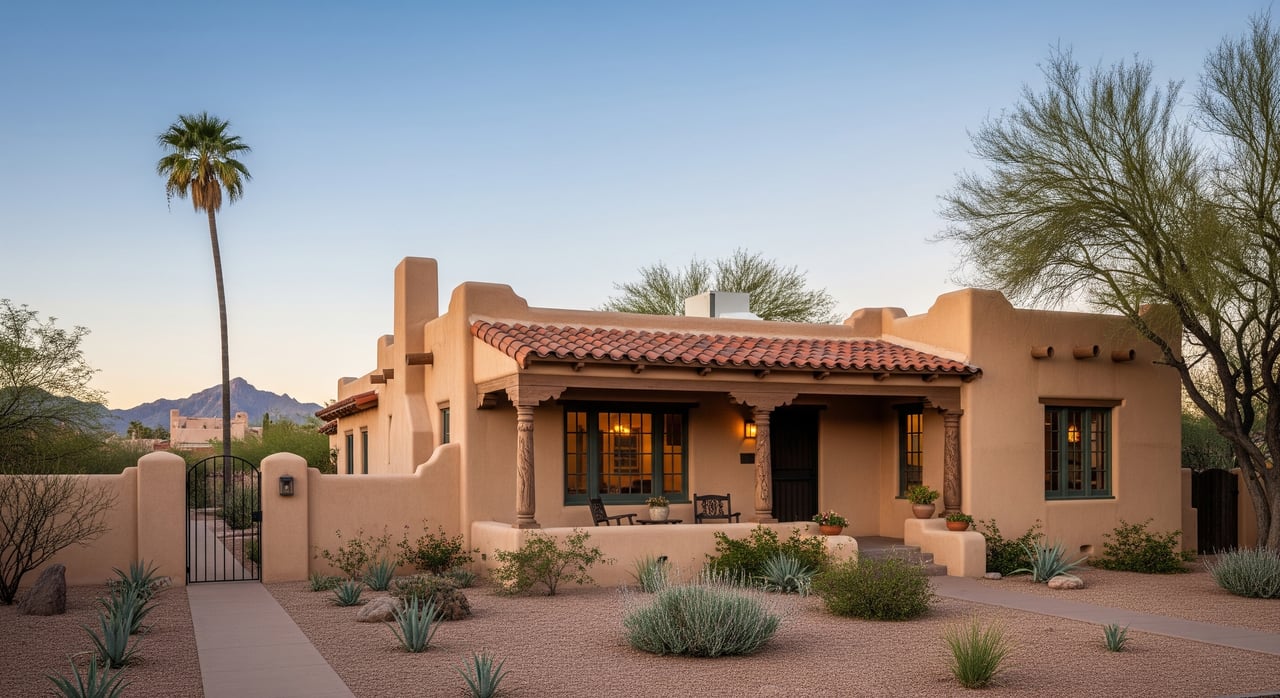
Shopping for a classic Sam Hughes bungalow or a charming historic cottage near the University? In a competitive Tucson market, you want to write an offer that wins while still protecting your budget. This guide explains the three core contingencies in Arizona offers and how to tailor them for older central homes. You’ll learn practical timelines, local risks, and smart strategies to balance protection with strength. Let’s dive in.
What contingencies do in Arizona offers
Contingencies are safety valves in your purchase contract. They give you set timeframes to inspect the home, confirm the appraisal, and secure your loan before you’re fully committed. If something material comes up within those windows, you can usually renegotiate or cancel per the contract and keep your earnest money.
In Sam Hughes, homes are older and often unique. That makes careful contingency planning even more important, especially around inspections and appraisals.
Inspection contingency in Sam Hughes
What to inspect on older homes
A standard home inspection looks at structure, roof, HVAC, electrical, plumbing, and visible pest evidence. In Tucson, buyers often add a wood-destroying organism inspection for termites. With pre-1978 homes, federal law requires a lead-based paint disclosure and gives you the opportunity to conduct a lead inspection or risk assessment, typically within 10 days unless you agree otherwise in writing. Many Sam Hughes buyers also order roof and HVAC evaluations, a sewer scope, and specialized checks if there are signs of mold, asbestos, or chimney issues.
Typical inspection timelines
Inspection periods are negotiable. In competitive conditions, you often see 7 to 15 days. In slower markets, 10 to 21 days is common. In Sam Hughes, allow enough time for specialized inspections, especially if the property has prior additions or older systems.
Outcomes after inspections
- Proceed as-is if you’re comfortable with the findings.
- Request repairs or credits. The seller can accept, counter, or decline.
- Cancel within the inspection period if issues are too significant for your comfort, per contract terms.
Local tips for historic homes
Some Sam Hughes properties sit within a local historic district. Exterior changes can be restricted and permitting may take added time and cost. Ask your agent to check historic-district rules and city permit records early. If you see prior additions, verify permits and the scope of work.
Appraisal contingency in central Tucson
How the appraisal contingency works
If you’re using a loan, your lender orders an appraisal. If value comes in below the contract price, you typically can bring cash to cover the shortfall, renegotiate with the seller, request a credit, or cancel and recover your earnest money if allowed by your appraisal contingency and deadlines.
Appraisal risk in Sam Hughes
Renovated or one-of-a-kind homes may have few comparable sales. Historic features and non-standard additions can also make valuation tricky. Appraisal shortfalls are more likely in these cases, so plan your cash reserves and strategy.
Competitive tactics and tradeoffs
Some buyers offer appraisal-gap coverage, which is an agreement to bring a set amount of extra cash if the appraisal is low. This helps your offer compete but increases risk and cash needed. Fully waiving the appraisal contingency can be compelling to a seller, but it shifts the entire valuation risk to you.
Appraisal timing
Appraisals typically occur within your loan contingency period and are driven by lender scheduling. In practice, many Tucson buyers see appraisal timelines in the 17 to 30 day range, depending on loan type and staffing.
Financing contingency and loan types
Why financing protection matters
The financing contingency gives you time to secure your mortgage approval. If your loan is denied within the agreed window and you give proper notice per the contract, you can generally cancel and keep your earnest money.
Pre-approval vs. pre-qualification
Bring a full pre-approval, not just a quick pre-qualification. A true pre-approval signals strength and helps you set realistic financing timelines.
Loan types and property standards
Conventional, FHA, VA, and portfolio loans all have different steps and appraisal requirements. FHA and VA loans include minimum property standards, which can add repair requirements when homes have deferred maintenance.
Typical financing timeline and hang-ups
Loan-contingency periods in Arizona often run 21 to 45 days, depending on your lender and loan type. Common hurdles include low appraisals that change loan-to-value, documentation or credit issues, and title or lien findings that surface late. Align your contract dates with your lender’s capacity.
Arizona timelines and earnest money basics
When clocks start and how days are counted
Contingency periods usually begin on the contract’s effective date, which is the date of mutual acceptance as defined in the form you use. In many Arizona contracts, days are calendar days unless specified otherwise. Confirm the definitions in your exact contract.
Earnest money and where it goes
The contract sets your earnest-money amount, who holds it, and when it is due. In Arizona, your deposit is typically held in escrow by a title or escrow company. In competitive offers, buyers sometimes increase the deposit to signal commitment. Make sure the amount matches your comfort level and the contract protections you keep.
Seller disclosures and lead rules
Sellers must provide required disclosures, including lead-based paint disclosures for pre-1978 homes. Review these documents as soon as you receive them and align your inspection planning accordingly.
Historic and permit checks
Verify if the property sits in a historic district and what that means for future exterior changes. Ask your agent to review city permits and county records for additions or major system work.
Protection vs. competitiveness: smart strategies
You want to protect your budget while staying attractive to sellers in Sam Hughes. Consider these approaches:
Preserve protection
- Keep a full inspection contingency with enough time for specialized checks.
- Keep the appraisal contingency or set a modest appraisal-gap limit.
- Keep the financing contingency if you need a loan or your approval is not final.
- Ask for records like termite reports, roof certifications, or HVAC service history to reduce unknowns.
Increase competitiveness
- Shorten contingency periods, such as a 7 to 10 day general inspection.
- Offer defined appraisal-gap coverage rather than unlimited exposure.
- Increase earnest money or offer a quick close if your lender can perform.
Hybrid strategies we see in Sam Hughes
- Strong price and pre-approval with a short general inspection window, plus time for termite and sewer scopes.
- Appraisal-gap coverage capped to a clear dollar amount that fits your cash plan.
- Higher earnest money and a closing timeline aligned with your lender and appraiser.
Buyer checklist before you write an offer
- Get a written pre-approval from a lender.
- Review seller disclosures and confirm the home’s year built for lead rules.
- Ask for neighborhood comparables and current days on market.
- Plan inspections: general, termite, roof, HVAC, sewer scope, plus historic and permit checks.
- Request early access to permit history, HVAC records, termite treatments, recent utility bills, and any HOA documents.
- Confirm your contingency periods and how the contract counts days.
Common scenarios and your options
If inspection finds major defects
- Negotiate repairs or a credit, require licensed contractors for any work, or cancel within your inspection window per contract rights.
If the appraisal is lower than your price
- Bring cash to cover the gap, renegotiate the price, request a seller credit or reduction, or cancel if your appraisal contingency allows.
If your lender denies the loan
- If you have a financing contingency and you give timely notice per the contract, you can typically cancel and recover your earnest money.
Local pros and resources to line up
- A local lender who can pre-approve you and meet contract dates.
- A buyer’s agent experienced with Sam Hughes and historic properties.
- A licensed home inspector familiar with older Tucson homes.
- Termite and pest inspector.
- Sewer-scope contractor, especially for older lines.
- City historic preservation and permitting contacts for district-specific rules.
- A title and escrow officer to guide earnest money and closing timelines.
Buying in Sam Hughes means balancing character, history, and value. With clear contingencies and realistic timelines, you can write an offer that protects you while staying competitive. If you want calm, concierge guidance from a local expert who understands older homes and Tucson’s micro-markets, connect with Thalia Kyriakis for a confidential consultation.
FAQs
What is an inspection contingency in Arizona home purchases?
- It’s a contract window that lets you inspect the property, request repairs or credits, or cancel within the deadline if findings are not acceptable under the contract terms.
How long should my Sam Hughes inspection period be?
- Many buyers use 7 to 15 days in competitive markets and 10 to 21 in slower ones; allow extra time for termite, sewer scope, and roof or HVAC checks on older homes.
What is appraisal-gap coverage in Tucson offers?
- It’s a buyer pledge to add a specific cash amount if the appraisal is low, which boosts competitiveness but increases your cash risk at closing.
Do FHA or VA loans affect contingencies in Sam Hughes?
- These loans add minimum property standards that can trigger repair items, so plan timelines and inspections accordingly and align with your lender’s process.
How is earnest money handled in Arizona transactions?
- Your earnest deposit and due date are set in the contract, and funds are typically held in escrow by a title or escrow company during the transaction.
How do historic-district rules impact Sam Hughes renovations?
- Historic status can limit exterior changes and affect permit timelines and costs, so check district rules and permit history early in your inspection period.