Love the character of Sam Hughes but not sure what buying in a “historic zone” actually means for you? You are not alone. The neighborhood’s charm is a big draw, and it also comes with extra steps that protect that character. In this guide, you will learn what historic designation controls, how reviews and permits work in Tucson, which updates are usually feasible, and the smart due-diligence moves to make before you buy. Let’s dive in.
Historic designation basics
Historic status comes in a few forms, and each one affects you differently. Local historic districts carry the most practical impact for private owners because the city reviews exterior changes visible from the street, additions, new construction, and demolition. Properties within a district are often labeled as either contributing or non-contributing to the area’s historic character, and contributing homes usually face closer scrutiny. National Register listing is primarily honorary for private owners unless federal funds or permits are involved, while state-level programs focus on incentives and guidance.
What local status controls
In a local district, the city typically reviews exterior work that changes the look from the public right-of-way. That can include façade alterations, windows, porches, rooflines, and additions, as well as demolition or moving a structure. Interior work is usually not regulated, and many places do not control paint color, but rules vary by jurisdiction. Always confirm current practice with the City of Tucson Historic Preservation Office.
Review and permits in Tucson
Expect a two-track process: historic review and building permits. Minor work that meets guidelines may be approved by staff, often called administrative review. Larger changes usually require a Certificate of Appropriateness, which includes drawings, photos, and material descriptions, and some projects go to a Historic Preservation Commission or design review board. Demolition of a contributing structure triggers a formal review and can include delays and documentation.
What triggers review
- Exterior changes visible from the street
- Additions or new construction that affect the streetscape
- Demolition or relocation of a structure
- Significant material changes, such as original siding, masonry, wood windows, or roof materials
- Sometimes fences, driveways, or landscaping features
Timelines and how to speed things up
Historic reviews can add weeks to months to a project. Meet with historic staff early for a pre-application consultation to test ideas and avoid redesigns. Provide clear photos of existing conditions, drawings with dimensions, and product cut sheets so reviewers can make quick decisions. Submit as early as possible and avoid any visible work until approvals are in hand.
Sam Hughes architecture and features
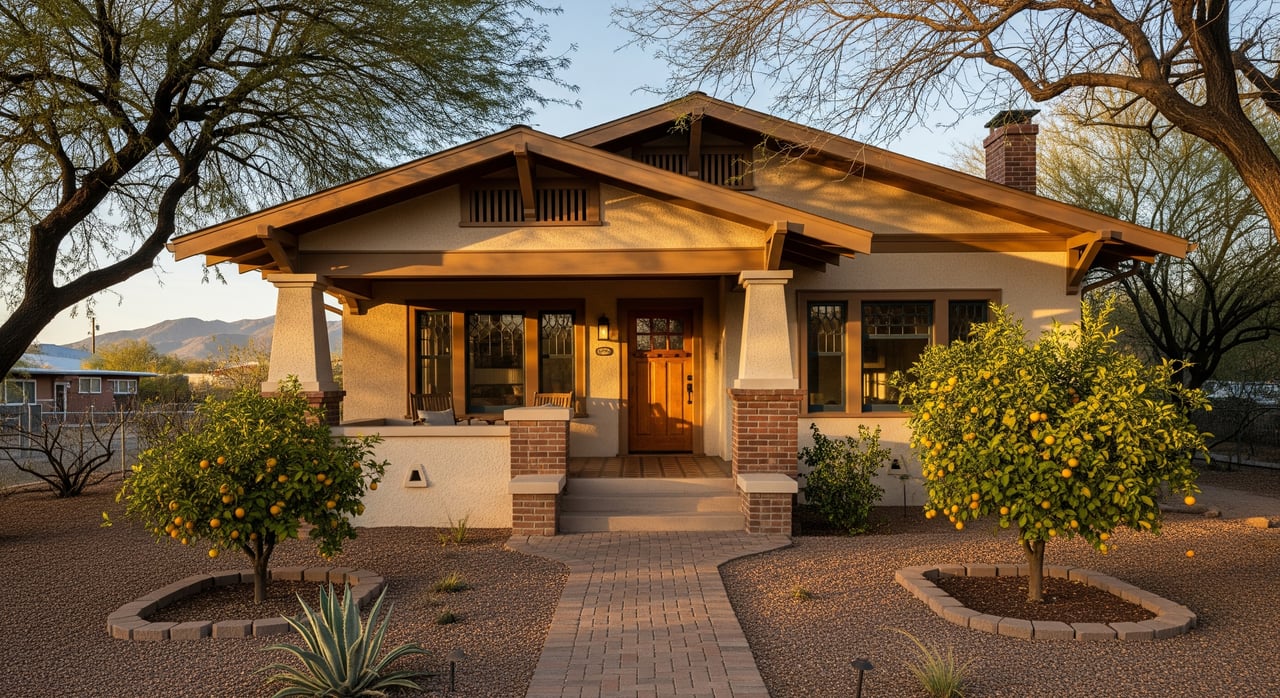
Sam Hughes is known for early 20th-century residential styles, including Craftsman and Period Revival. You will see full-width front porches, exposed rafters, wood windows, stucco or clay tile roofs, and mature front-yard landscaping. These features contribute to the neighborhood’s character and often receive careful review when changes are proposed. Respecting these elements is central to getting approvals.
Common condition issues
- Weathered wood at porches, windows, and eaves
- Historic stucco or adobe repairs that require specialized techniques
- Clay tile or wood shingle roofs needing compatible repair or replacement
- Mechanical, electrical, and plumbing upgrades that must be integrated without damaging historic fabric
- Potential lead paint in pre-1978 homes
Popular updates and what flies
You can modernize a Sam Hughes home with planning and sensitivity to historic features. The goal is to maintain the primary façade and character while making thoughtful updates that work for daily life. Early consultation and designs that minimize visible change go a long way.
Windows and doors
Original wood windows are often a character-defining feature, so full replacement draws scrutiny. Repair, weatherstripping, or historically compatible replication is often preferred. If replacement is necessary, selections that match profiles, materials, and sightlines help.
Additions and new space
Additions can be approved when they are subordinate in size, set back from the primary façade, and use compatible massing and materials. Keep rooflines and proportions in harmony with the original structure. Designs that minimize visibility from the street are more likely to pass review.
Porch enclosures
Enclosing a historic front porch can change the way the home relates to the street and is often discouraged. If you need more space, consider enclosure at a less visible location or a rear addition. Preserve columns, railings, and original openings if a porch change is considered.
Energy and exterior upgrades
Energy upgrades are achievable, especially when focused on interior solutions that do not alter visible façades. Exterior treatments must be compatible in material and appearance. Solar panels are often possible when mounted low-profile and placed on rear or secondary elevations subject to review.
Financing, incentives, and valuation
Financial incentives exist, but they are specific. The Federal Historic Rehabilitation Tax Credit applies to certified rehabilitations of income-producing historic buildings, not typically to owner-occupied single-family homes. State or local grants, abatements, or loan programs vary by funding cycles, so confirm current offerings with the Arizona State Historic Preservation Office and the City of Tucson. Older historic homes may have higher replacement-cost insurance premiums or added underwriting needs, and appraisals can be nuanced where unapproved alterations or deferred maintenance are present.
Due diligence checklist
Use this quick checklist during your contingency period and planning.
Before contract
- Confirm designation status and whether the home is contributing
- Request past Certificates of Appropriateness, permits, and review correspondence
- Check for any outstanding code or preservation violations
- Gather as-built photos and documentation that could aid future applications
- Contact the City Historic Preservation Office to clarify review triggers and submittal needs
- Budget for review time, potential hearings, and specialized contractors
- Hire inspectors familiar with older construction, stucco or adobe, tile roofs, and possible lead paint or asbestos
- Identify a preservation-savvy architect or contractor
At offer and negotiation
- Add contingencies tied to approval of proposed exterior alterations where feasible
- Request a boundary survey, any deed restrictions, neighborhood covenants, and a list of recent work and permits
After contract and before construction
- Schedule a pre-application meeting with historic staff
- File COA or administrative review requests early with complete documentation
- Do not start visible work until approvals are issued
Questions to ask the seller
- Is the property designated as contributing to the historic district?
- Can you share past COAs, permits, or design review approvals?
- Are there known restrictions, covenants, or pending preservation issues?
- Were any exterior changes made without permits or historic approvals?
- What maintenance has been done on original features like windows, porch, roof, and stucco?
Local resources and next steps
Start with the City of Tucson Historic Preservation Office to verify district boundaries, contributing status, and current review rules. Ask for any district design guidelines or illustrated standards that show acceptable materials and approaches. The Sam Hughes Neighborhood Association can offer neighborhood context, voluntary guidelines, and examples of recent projects. For incentives and program details, contact the Arizona State Historic Preservation Office, and coordinate with Pima County or the city permitting office for building code requirements.
How a local advisor helps
A seasoned local guide saves you time and protects the home’s character. From pre-application meetings and contractor introductions to valuation strategy and negotiation, you want a partner who understands both historic stewardship and your practical needs. With calm, concierge-level process management, you can upgrade thoughtfully and enjoy the best of Sam Hughes living.
If you are weighing a purchase or planning updates in Sam Hughes, let’s talk about your goals, timeline, and budget. For discreet, high-touch buyer representation and local stewardship, connect with Thalia Kyriakis. Hablamos español.
FAQs
What does “contributing” mean in Sam Hughes’ historic district?
- A contributing property is recognized for adding to the district’s historic character, so exterior changes usually receive closer review and must meet guidelines.
Are interior remodels regulated in Sam Hughes’ historic zone?
- Interior work is typically not regulated because it is not visible from the public right-of-way, but you should confirm current local rules before starting.
Do I need a Certificate of Appropriateness for window changes?
- Often yes if original windows are character-defining; repair or compatible replication is commonly preferred to full replacement in historic reviews.
Can I add solar panels to a Sam Hughes historic home?
- Solar is often allowed when panels are low-profile and sited on rear or secondary elevations, subject to review for visibility and compatibility.
How long does historic review take in Tucson?
- Reviews can add weeks to months depending on project scope and completeness; early consultation and complete documentation help shorten timelines.
Does National Register listing restrict my private renovations?
- National Register listing is primarily honorary for private owners and does not restrict changes unless federal funds or permits are involved.