If you plan to buy in Catalina Foothills, thinking beyond the next few years can give you a real advantage. In a market where many owners stay put, values are high, and day-to-day comfort matters, the smartest purchase is often the one that still works beautifully for you later. This guide will help you look at Catalina Foothills homes through a long-term lens, from layout and resale appeal to climate durability and future flexibility. Let’s dive in.
Why long-term thinking matters here
Catalina Foothills is not a quick-turn kind of market. Census data show a community with 76.4% owner-occupied housing, 88.1% of residents living in the same home one year earlier, and 34.3% of residents age 65 or older.
That points to a place where many people buy for lasting comfort, stability, and usability. If you are shopping here, it makes sense to ask not just whether a home fits your life now, but whether it can still serve you well years from today.
The market also supports careful decision-making. Recent reporting showed median sale and listing prices around the high $600,000s, with homes spending about 56 to 57 days on market. That is active enough to reward good preparation, but measured enough that layout, condition, and long-run practicality still matter.
Prioritize main-level living
One of the best long-term filters is simple: can the home live well on one level? Even if stairs are easy for you now, a main-level setup can make daily life easier over time and can broaden future resale appeal.
A practical floor plan keeps the kitchen, a bedroom, a full bath, and laundry on the main level. Wide hallways, wider doorways, and a no-step shower can also make a home easier to use without making it feel clinical or overdesigned.
This matters even more in Catalina Foothills because future expansion is not always straightforward. Pima County’s Catalina Foothills special area policy says buildings over 24 feet need specific Board authorization, and the Board reserves the right to limit construction to one story.
In plain terms, it is usually wiser to buy the right layout now than to assume you can solve everything with a major future addition. A one-story home or a home with a strong first-floor living zone is often the safer long-run play.
Questions to ask about layout
When you tour homes, keep these long-range questions in mind:
- Can the main level function as a complete living area if stairs ever become inconvenient?
- Is there a bedroom and full bath on the main level?
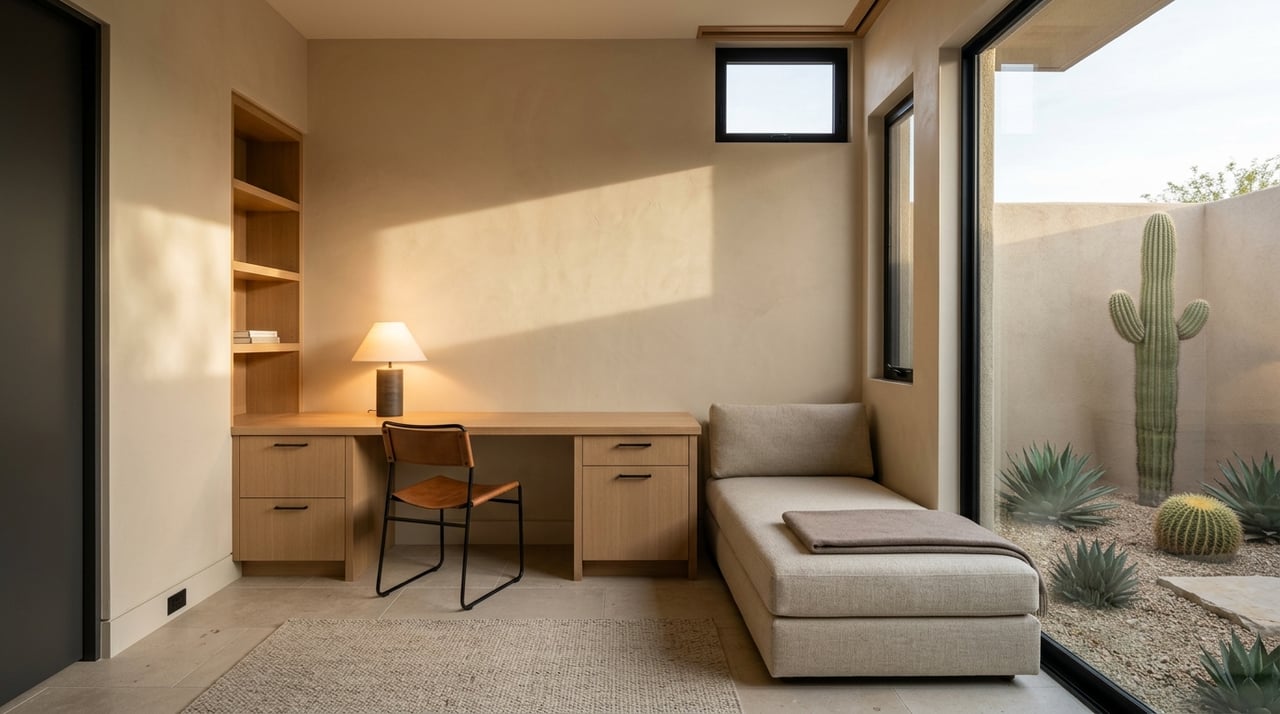
- Could a den or office become a guest room or future bedroom?
- Is there enough space for a curbless shower or wider doorways later if needed?
- Does the laundry location make everyday use easy?
Look for rooms that can change with you
The most durable homes are not always the biggest ones. In many cases, the better long-term buy is the one with flexible space that can adapt as your needs change.
Buyer trend reporting shows continued interest in home offices, and generational trend reporting summarized by NAR says 55% of buyers prefer two primary bedroom suites rather than one. That makes split-bedroom layouts, guest suites, casitas, and adaptable dens especially useful in resale.
A room with one narrow purpose can limit you later. A quiet office that could become a bedroom, a guest suite that can work for extended stays, or a secondary living space that can shift with your lifestyle tends to age much better.
Flexible features worth noticing
Pay close attention to homes with:
- A den or office near a full bath
- A split guest suite for privacy and versatility
- A casita or detached flex space
- Secondary bedrooms with comfortable proportions
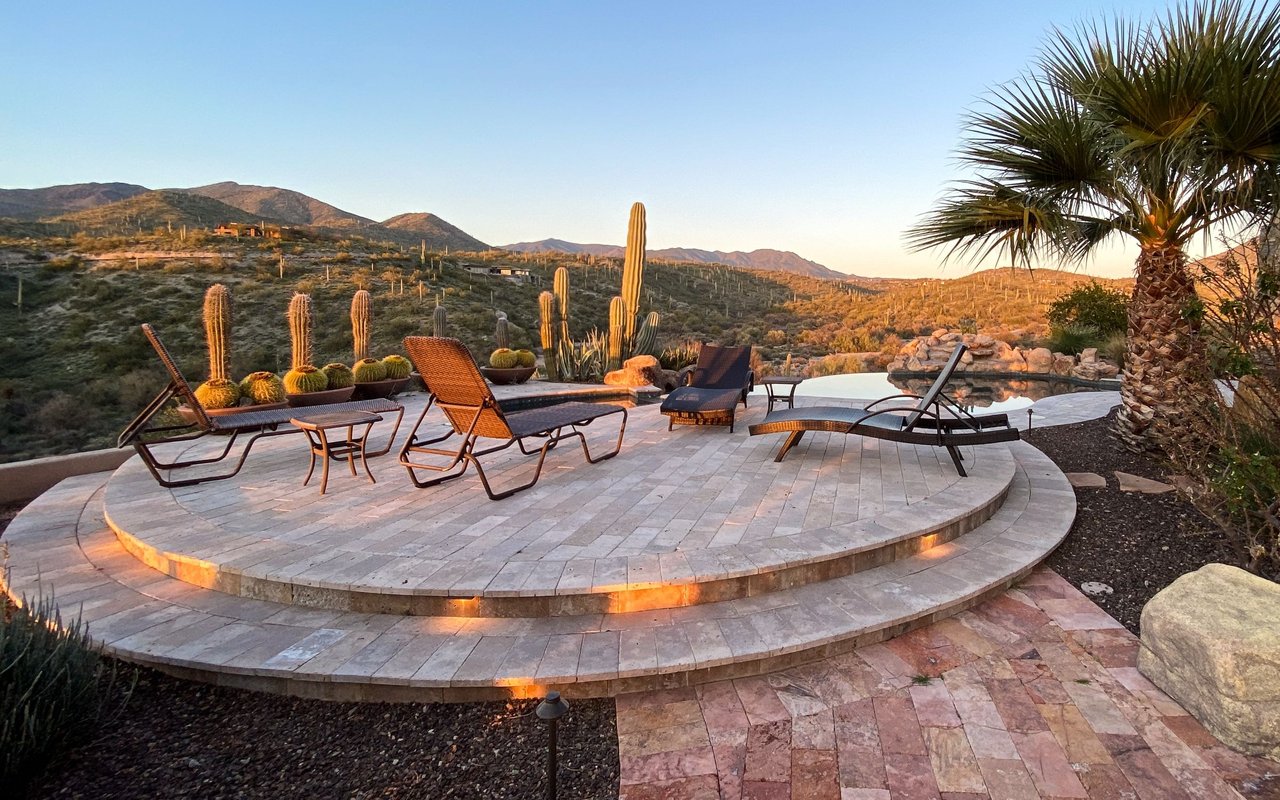
- Outdoor areas that can support entertaining or quiet daily use
Focus on function over sheer size
In a high-value market, it is easy to get pulled toward square footage alone. But long-term value often comes from a home that feels efficient, comfortable, and easy to maintain.
Housing trend reporting shows buyers continue to favor practical features such as a laundry room, patio, Energy Star windows, exterior lighting, ceiling fans, garage storage, a full bath on the main level, Energy Star appliances, landscaping, and usable kitchen table space. Interest has also grown in multizone HVAC, programmable thermostats, security cameras, wired home security systems, and energy-management systems.
That is a useful lens for Catalina Foothills buyers. A well-planned home with strong natural light, smart mechanical systems, useful storage, and a comfortable indoor-outdoor flow may hold up better over time than a larger house with awkward circulation or high-maintenance features.
Understand remodel limits before you buy
Long-term buyers often assume they can adjust the home later. Sometimes you can, but in Catalina Foothills, it is important to understand what future changes may involve before you close.
Pima County says many remodel projects require permits, including structural roof work, enclosing porches, siding work, skylights, and other improvements. For hillside properties, the county notes added requirements such as grading plans, native plant preservation, and working with a designer familiar with hillside rules.
That means a home’s future potential is not just about vision. It is also about whether the lot, topography, and existing design can support later changes without major cost or delay.
Due diligence for future changes
Before buying, consider asking:
- Would a future patio enclosure likely require permit review?
- Is there a realistic place to add or expand a bath later?
- Could roofline or structural changes become complicated?
- Does the lot’s slope create extra design or grading challenges?
- Would accessibility upgrades fit naturally within the current footprint?
Buy for Catalina Foothills climate realities
In Catalina Foothills, climate performance is not a minor detail. It is central to both livability and resale.
National Weather Service data for Tucson show annual normals that include 68 days at or above 100 degrees and 12 days at or below freezing. In practical terms, buyers should look closely at HVAC capacity, insulation, roof condition, window performance, and shade.
A beautiful house that struggles in summer heat can become costly and frustrating. A home that handles sun exposure well, has efficient cooling, and uses water-wise landscaping is often the stronger long-term choice.
Climate-smart features to value
Look for features such as:
- Quality windows and good solar protection
- Covered patios and usable shade
- Strong HVAC performance and zoning where available
- Ceiling fans for everyday comfort
- Durable roofing in good condition
- Water-wise landscaping that fits the desert environment
Take drainage and wildfire context seriously
Some of the most important long-term questions in Catalina Foothills are outside the walls of the home. Terrain, drainage, and surrounding conditions all matter here.
Pima County notes that mountainous terrain and often impervious soils can move rainfall quickly into dry washes, increasing flash-flood risk during severe storms. The county also says the Bighorn Fire increased flash-flood and mudflow risk in the Catalina Mountains foothills.
In addition, ongoing prescribed-fire and fuel-break work in the Santa Catalina Ranger District reflects the region’s broader wildfire-management context. If you are considering a home near slopes, washes, or the edges of open land, drainage patterns, defensible space, and mitigation history deserve close review.
Site questions worth asking
As you evaluate a property, ask about:
- Proximity to washes or steep slopes
- Signs of past drainage issues
- Grading and runoff patterns on the lot
- Defensible space around the home
- Any history of flood, mudflow, or fuel-mitigation work
Think about resale from day one
Even if you expect to stay for many years, resale should still shape your decision. The homes that tend to age best in the market are usually the ones that feel easy to understand, easy to maintain, and easy for future buyers to picture themselves in.
Staging trend reporting from 2025 found that 49% of agents saw staged homes sell faster, 29% saw a 1% to 10% higher dollar value, and 83% said staging helped buyers visualize the property as their future home. The living room, primary bedroom, and kitchen mattered most.
That offers a simple takeaway for buyers. Choose a home whose key spaces already read clearly and comfortably, and where secondary rooms can stay neutral and adaptable over time.
Keep marketability in mind
Long-run value is also about who may want the home after you. Flexible layouts, efficient systems, comfortable outdoor living, and practical updates can support demand across different buyer needs.
Local school report cards may also play a role in future marketability for some buyers. Arizona Department of Education report cards for the 2024-25 school year show A grades for Catalina Foothills High School, Canyon View Elementary, Sunrise Drive Elementary, and Esperero Canyon Middle School.
The goal is not to buy for one hypothetical future buyer. It is to choose a property with broad, lasting appeal in a market where quality, usability, and setting all carry weight.
What a strong long-term buy often looks like
In Catalina Foothills, the best long-term purchases often share a few core traits. They are comfortable today, adaptable tomorrow, and less likely to force expensive work later.
A strong candidate often includes:
- Main-level daily living
- At least one flexible room
- Good HVAC, insulation, and window performance
- Thoughtful shade and outdoor usability
- Desert-appropriate landscaping
- A lot that does not complicate future improvements
- Solid drainage and site conditions
Buying with the long term in mind is really about reducing friction. The fewer layout, maintenance, and site obstacles a home presents over time, the more likely it is to serve you well and remain attractive when it is eventually your turn to sell.
If you want a thoughtful second opinion while evaluating homes in Catalina Foothills, Thalia Kyriakis offers discreet, high-touch guidance rooted in deep local knowledge and long-range strategy.
FAQs
What should long-term buyers look for in Catalina Foothills homes?
- Prioritize main-level living, flexible rooms, strong climate performance, and a lot that will not make future upgrades unusually difficult.
Why is one-level living important in Catalina Foothills?
- One-level living can improve day-to-day comfort over time, support broader resale appeal, and reduce reliance on future structural changes that may be harder to complete in this area.
How does Tucson climate affect a home purchase in Catalina Foothills?
- Heat, sun exposure, and occasional freezing temperatures make HVAC quality, insulation, roof condition, shade, and window performance important long-term considerations.
What property risks should buyers review in Catalina Foothills?
- Buyers should pay close attention to drainage, flash-flood context, mudflow exposure, slope conditions, and defensible space, especially near washes, hillsides, or open land.
Can future remodel plans be complicated in Catalina Foothills?
- Yes. Many improvements may require permits, and hillside properties can involve extra review related to grading, native plant preservation, and site-specific design conditions.
Which home features tend to support resale in Catalina Foothills?
- Flexible layouts, a full bath on the main level, a laundry room, patio space, efficient windows and appliances, useful storage, and comfortable outdoor living tend to support long-term appeal.